Spring changes more than the weather. For indoor cats, it often means more shedding, open windows, shifting daylight, extra household cleaning, and a bump in pollen and dust that can affect comfort. A simple seasonal reset can help your cat stay active, comfortable, and less stressed without turning your home into a full-time cat project.
This guide walks you through a practical spring routine for indoor cats with a focus on enrichment, grooming support, and allergy-season prep. The goal is not perfection. It is building a home routine that supports natural cat behavior while reducing common spring problems.
Why spring can change your indoor cat’s routine
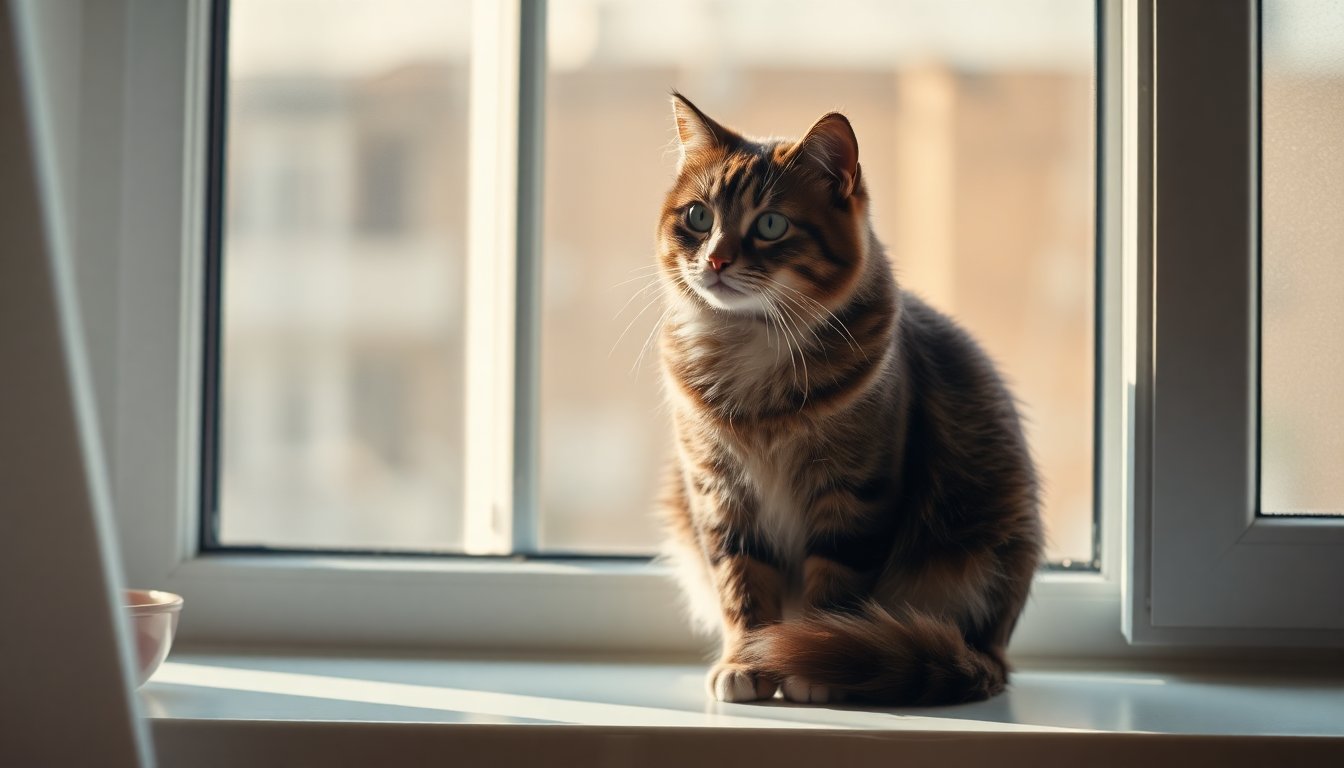
Even strictly indoor cats notice seasonal shifts. Light changes, warmer rooms, open windows, new household scents, and more activity around the home can all affect behavior. Spring is also a common time for heavier shedding, which can mean more hair around the house and, for some cats, more swallowed hair during grooming.
Environmental changes matter because indoor cats depend on us to provide safe outlets for climbing, scratching, resting, exploring, and play. Veterinary and feline behavior guidance consistently points to the same idea: cats do best when resources are spread through the home and the environment gives them choices.
If your cat seems clingier, sleepier, more restless at dawn, or more interested in the windows lately, that does not automatically mean something is wrong. It may mean their environment needs a small seasonal tune-up.
Start with a five-point spring reset
If you want the shortest version of this article, start here:
- Brush more often during peak shedding to reduce loose fur and swallowed hair.
- Refresh play sessions with short, prey-style games once or twice a day.
- Reduce airborne irritants by vacuuming more often, washing cat bedding, and avoiding strong sprays around your cat.
- Re-check windows and plants for seasonal safety issues.
- Rotate enrichment spots so your cat has appealing places to perch, scratch, hide, and watch.
That basic reset covers most of what indoor cats need this time of year.
Build a spring routine around natural cat behavior
The best spring routine is not a long checklist. It is a pattern your cat can rely on.
Morning: movement and a quick coat check
Many cats are naturally more active in the early morning. Use that to your advantage with a 5 to 10 minute interactive play session before breakfast. Wand toys, toss-and-pounce toys, and short chase games work well because they mimic hunting behavior better than passive toys alone.
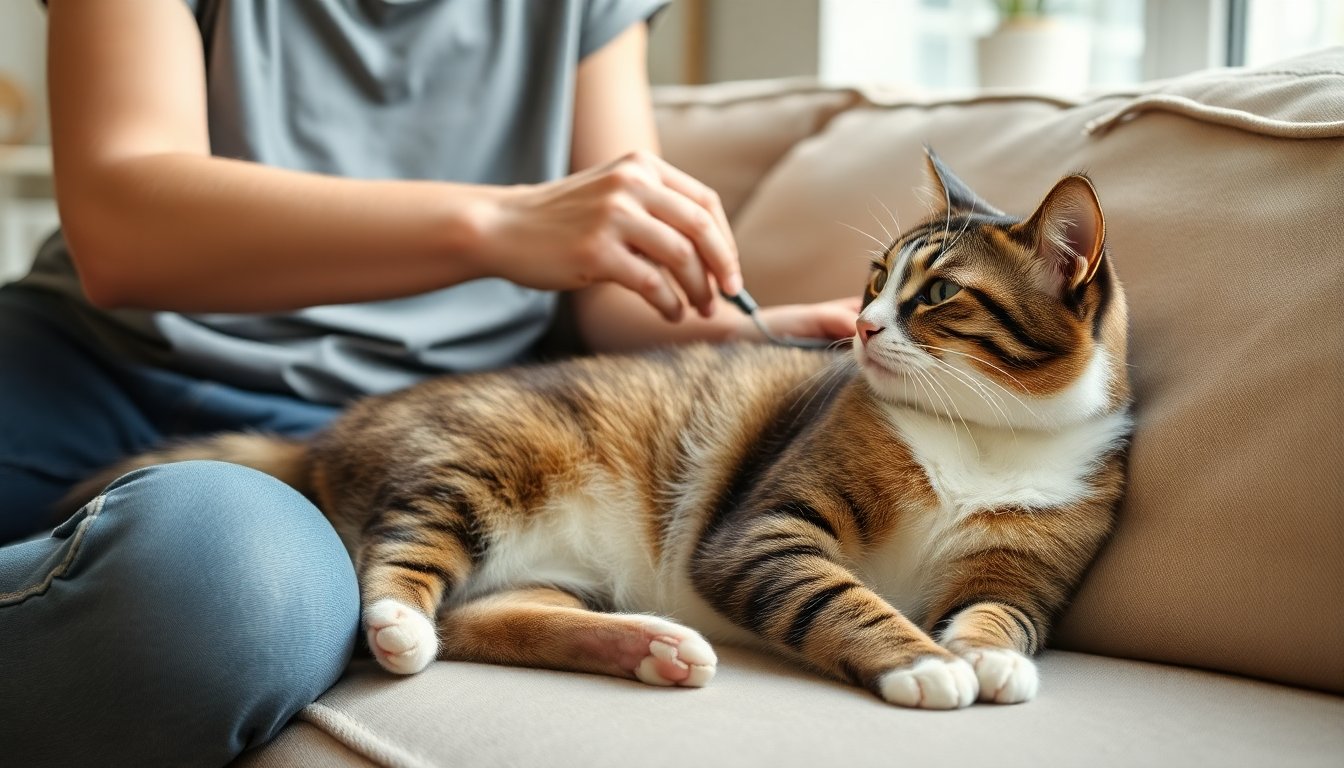
After play, do a quick coat check. You are not looking for perfection. Just run your hands lightly over your cat’s coat and under the front legs, around the belly if tolerated, and along the back near the tail where mats or loose fur may build up. For long-haired cats, this takes a little more attention.
If you need a refresher on brushing tools and technique, see our indoor cat grooming guide.
Midday: quiet enrichment while you work
Spring is a good time to refresh independent enrichment. Rotate one or two options every few days instead of leaving out everything at once. Cats often respond better to novelty in small doses.
- A window perch with a stable view
- A cardboard scratcher in a new location
- A treat puzzle or food hunt using part of the daily ration
- A paper bag or tunnel for supervised exploration
- A high resting spot and a separate quiet hiding spot
For cats home alone during the day, keep enrichment simple and safe. This article on keeping an indoor cat entertained while you are at work is a good companion read.
Evening: another play window and a calmer home
A second short play session in the evening helps many indoor cats settle better overnight. End with a small meal or treat if that fits your feeding routine. For some cats, the play-eat-groom-rest pattern naturally supports calmer behavior after sunset.
Keep the environment predictable. If you are spring cleaning, painting, diffusing fragrances, or using stronger cleaners, give your cat a separate quiet room until the space is fully dry, aired out, and back to normal.
How to handle spring shedding without overdoing grooming
Spring shedding is normal, but it is easier on both you and your cat when you stay ahead of loose fur.
What helps most
- Short, regular brushing sessions are usually better than occasional marathon sessions.
- The right tool matters. Fine combs, slicker brushes, or grooming gloves may each work better depending on coat type and your cat’s tolerance.
- Watch your cat’s mood. Stop before they get irritated. Calm, predictable handling builds better long-term cooperation.
- Do not assume every hairball is harmless. Repeated vomiting, gagging without producing a hairball, appetite changes, or constipation deserve a veterinary call.
Hairballs are often framed as normal, but frequent hairball problems can signal that too much hair is being swallowed or that something else is contributing. Extra grooming support during shedding season can help reduce the amount of hair moving into the digestive tract.
We also have a dedicated guide with more brushing and cleanup tips: Spring shedding tips for indoor cats.
When grooming deserves a closer look
If your cat suddenly starts over-grooming, develops bald spots, scratches more than usual, or seems uncomfortable being touched, do not write it off as seasonal shedding. Skin disease, pain, stress, parasites, and allergies can all change grooming behavior. A real shift in coat or grooming habits is worth discussing with your veterinarian.
Allergy season prep for indoor cats
Indoor cats are protected from a lot, but not from everything floating through a home. Pollen, dust, mold, scented cleaning products, aerosol sprays, and dusty litter can all contribute to irritation in some cats, especially those with respiratory sensitivity.
If allergy symptoms are your main concern this season, our Indoor Cat Spring Allergy Guide goes deeper on what to watch for, what to change at home, and when to call your veterinarian.
Lower the irritant load at home
- Vacuum rugs, upholstered furniture, and cat resting areas more often during peak pollen weeks.
- Wash cat beds, blankets, and removable perch covers regularly.
- Use unscented litter if your cat is sensitive to dust or strong fragrances.
- Avoid aerosol sprays, strong room fragrances, and harsh cleaners around cat spaces.
- Improve airflow, but make sure every open window has a sturdy screen.
Spring cleaning can help your home feel fresher, but it can also create new risks. Keep cleaners, solvents, paints, and home-improvement supplies away from your cat, and do not let your cat back into treated spaces until surfaces are dry and fumes are gone.
Signs your cat may need veterinary advice
Call your veterinarian if you notice:
- Coughing, wheezing, or open-mouth breathing
- Repeated sneezing with other symptoms such as eye discharge or low appetite
- Sudden increase in skin irritation or intense scratching
- A major change in energy, appetite, or litter box habits
Respiratory distress is urgent. If your cat is struggling to breathe, seek emergency veterinary care right away.
Refresh your cat’s spring environment
Enrichment does not have to mean buying more stuff. Often, it is about improving placement and variety.
Re-balance the room
Try looking at your space from your cat’s point of view. Do they have:
- A place to climb or perch
- A place to scratch near a preferred pathway or resting area
- A quiet retreat when the home feels busy
- A good window view without direct access to unsafe plants or loose cords
- Food, water, and litter arranged with enough separation to feel comfortable
One of the easiest upgrades is moving a scratcher or bed to the spot your cat already prefers. Cats do not always use furniture where we want it. They use resources where those resources make sense to them.
Make window enrichment safer and more useful
Spring birds and outdoor movement can be great cat entertainment, but window setups need a safety check. Confirm that screens fit tightly, cords are secured, and any nearby plants are cat-safe. If you like fresh air, open windows only when you know your cat cannot push through a weak screen.
If spring flowers are coming into the house, double-check every bouquet and potted plant. Some popular seasonal flowers are dangerous to cats. Our spring flower safety guide covers the big risks.
Know the difference between boredom, stress, and illness
Not every behavior change is seasonal. A cat who wants more stimulation may meow more, follow you around, wake you earlier, or start batting at objects for attention. A stressed or uncomfortable cat may hide more, over-groom, avoid certain rooms, or become less tolerant of touch.
If you are trying to decide whether your cat needs more activity, start with our guide to signs your indoor cat is bored. If the change feels more physical than behavioral, trust that instinct and call your vet.
A sample spring routine for indoor cats
Here is a realistic template you can adapt:
- Morning: 5 to 10 minutes of interactive play, breakfast, quick brushing or coat check
- Midday: window perch access, food puzzle or treat hunt, quiet nap spots available
- Afternoon: quick vacuum of main cat areas as needed during heavy shedding weeks
- Evening: second short play session, calm cleanup, fresh water, litter box scoop
- Weekly: wash bedding, rotate one enrichment item, inspect screens and plant safety, deep-clean one cat zone
This kind of rhythm works because it supports the basics: movement, grooming support, safe territory, and predictable care.
Keep it simple and repeatable
The best spring routine is the one you can actually maintain. You do not need a complicated schedule, expensive gadgets, or a home makeover. A few thoughtful updates can go a long way:
- Brush a little more often
- Play a little more intentionally
- Clean a little more strategically
- Set up the room so your cat has choices
That combination helps many indoor cats handle shedding season and spring household changes with less stress.
Sources
- International Cat Care. Making your home cat friendly.
- AAHA/AAFP. 2021 Feline Life Stage Guidelines (behavior and environmental needs sections).
- Cornell Feline Health Center. Feline Asthma: A Risky Business for Many Cats.
- ASPCA. Springtime Safety Tips.
- Veterinary Partner (VIN). Hairballs (Trichobezoars) in Cats.