
Indoor Cat Spring Allergy Guide
A practical guide to prepping your indoor cat for spring allergy season, from itchy skin and sneezing signs to home changes that actually help.
Browse by topic
Indoor cat health and wellness guides
A practical guide to prepping your indoor cat for spring allergy season, from itchy skin and sneezing signs to home changes that actually help.
Indoor cats can still be exposed to fleas, worms, and even heartworms. Learn the real risks, warning signs, and how to build a vet-guided prevention plan.
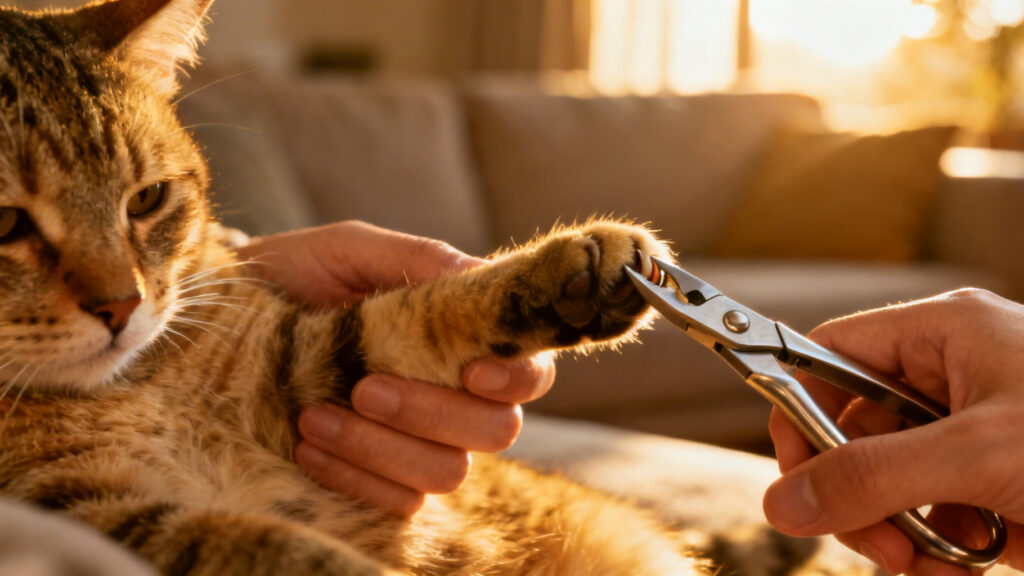
Most indoor cats need a nail trim every 2 to 4 weeks. Learn what changes that schedule, signs nails are too long, how short to cut, and how to trim safely at home.
A practical spring safety guide for indoor cat owners: which flowers and cleaners are risky, what symptoms to watch for, and when to call the vet.
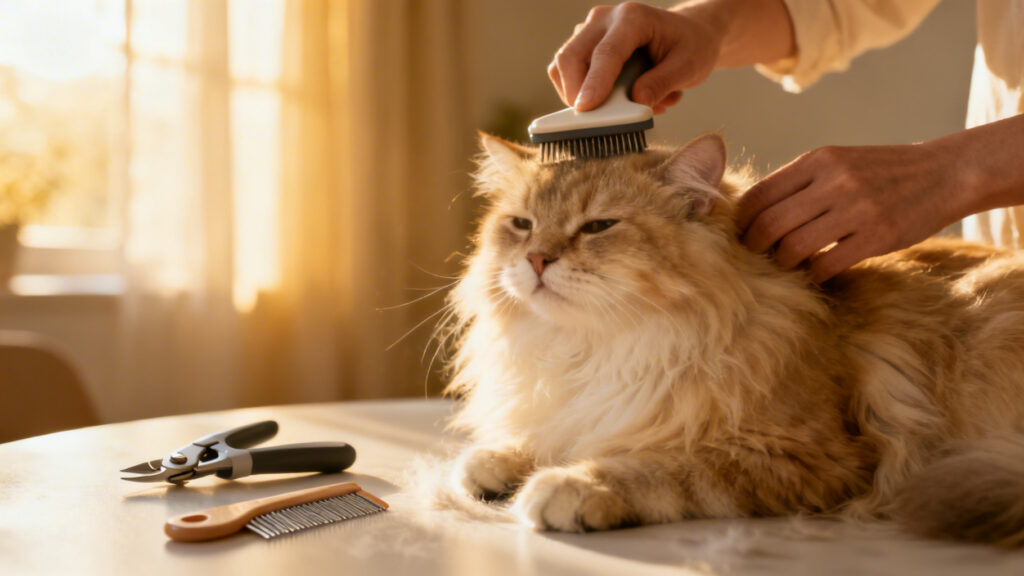
A vet-informed guide to normal spring shedding in indoor cats, how to brush effectively, reduce hairballs, and spot signs that need a vet visit.
Regular grooming isn’t just about keeping your indoor cat looking good—it’s an essential part of health care. While cats are famously fastidious self-groomers, they need your help to stay truly clean, comfortable, and healthy. Proper grooming prevents hairballs, reduces shedding, allows early detection of health issues, and strengthens your bond. Let’s cover everything from daily … Read more
Your playful kitten has grown into a dignified senior citizen, and their needs are changing. Senior cats require different care than younger adults—from nutrition adjustments to veterinary frequency to home modifications. Understanding these changes helps you provide the best possible care during your cat’s golden years, keeping them comfortable, healthy, and happy for as long … Read more
Cats are masters at hiding illness. In the wild, showing weakness makes them vulnerable to predators — so even domesticated cats instinctively conceal signs of pain or sickness. By the time a cat’s illness is obvious, it’s often advanced. Learning to recognize subtle warning signs can mean the difference between early intervention and a veterinary … Read more
Obesity is the most common nutritional disorder in indoor cats, affecting an estimated 60% of house cats. Without the natural exercise of outdoor life — hunting, climbing, patrolling territory — indoor cats are especially prone to weight gain. The good news? With the right approach, it’s entirely preventable and manageable. Always consult your veterinarian before … Read more
Cats are masters of hiding discomfort. Unlike dogs, who tend to be obvious about pain or illness, cats instinctively mask vulnerability — it’s a survival trait hardwired from their wild ancestors. That means keeping a close eye on your indoor cat’s baseline health behaviors is one of the most important things you can do as … Read more