
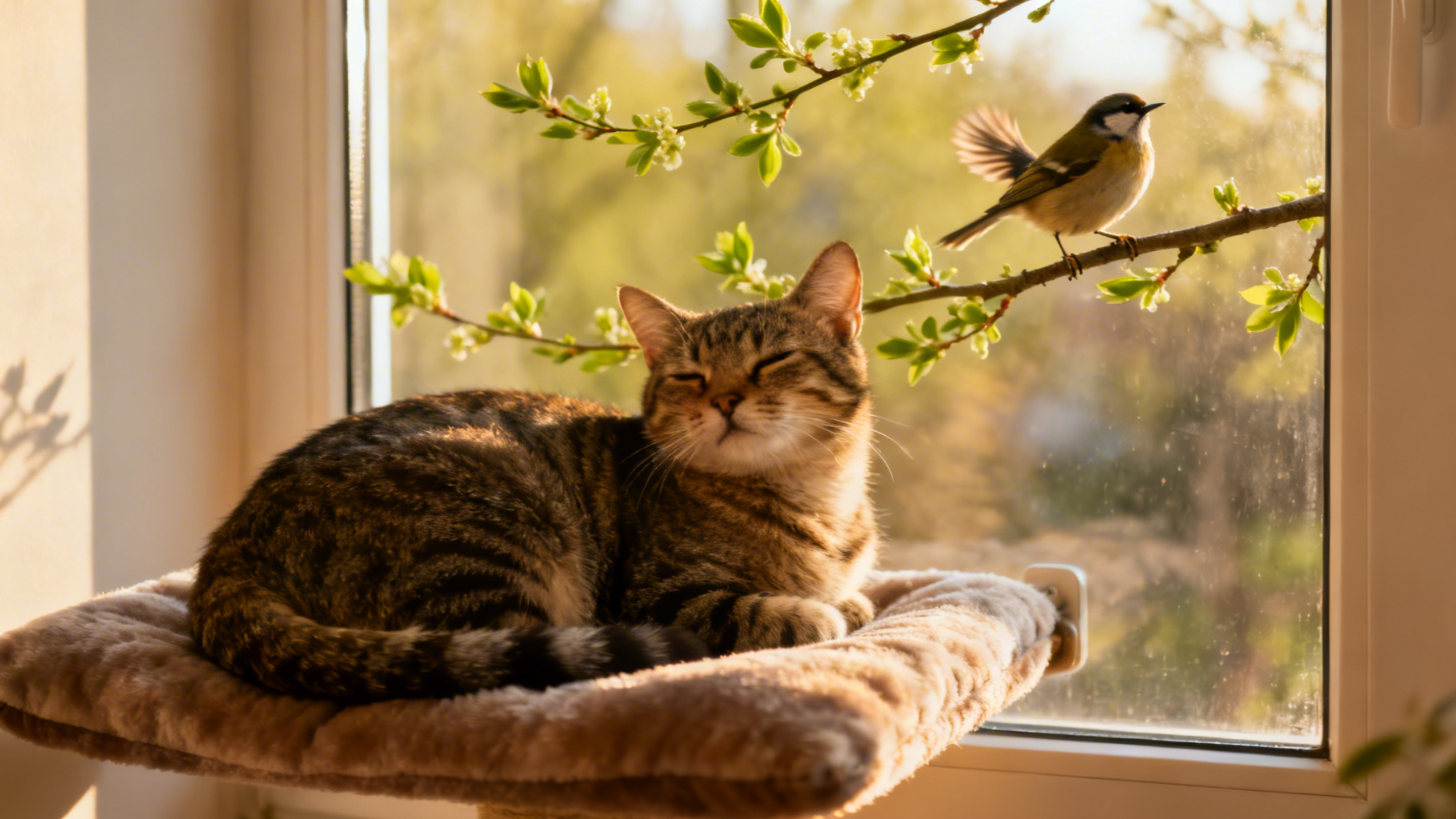
When spring shows up, your indoor cat notices. The light changes, birds get louder, windows suddenly smell interesting, and your cat may seem more restless, clingy, or ready to patrol every sill in the house. That doesn’t mean they need outdoor access. It usually means their indoor routine needs a seasonal refresh.
Spring is a great time to update your cat’s environment in small, practical ways. The goal is not to buy a house full of new gear. It’s to give your cat more chances to climb, stalk, sniff, scratch, watch, and play in ways that feel natural and safe indoors.
According to the AAFP/ISFM feline environmental needs guidelines, a cat’s comfort with their environment is closely tied to physical health, emotional wellbeing, and behavior. International Cat Care and VCA Animal Hospitals also emphasize that indoor cats need opportunities for natural behaviors like exploring, hiding, perching, hunting-style play, and food seeking.
If your cat has seemed a little extra busy this month, here are seven spring enrichment ideas for indoor cats that are easy to use, apartment-friendly, and actually worth doing.
Why spring can change your cat’s behavior
Spring brings longer daylight hours, more visible wildlife outside, and more sensory input coming through open or cracked windows. Even confident indoor cats can become more alert, more active at dawn, or more interested in certain rooms this time of year.
That can be a good thing if you channel it well. A seasonal enrichment refresh can help reduce boredom, support healthy activity, and keep your cat’s routine from becoming too flat. If your cat has been showing signs like pacing, overgrooming, pestering you for attention, or zooming at odd hours, it is worth revisiting the basics in your setup. If you are not sure whether boredom is part of the picture, read Signs Your Indoor Cat Is Bored next.
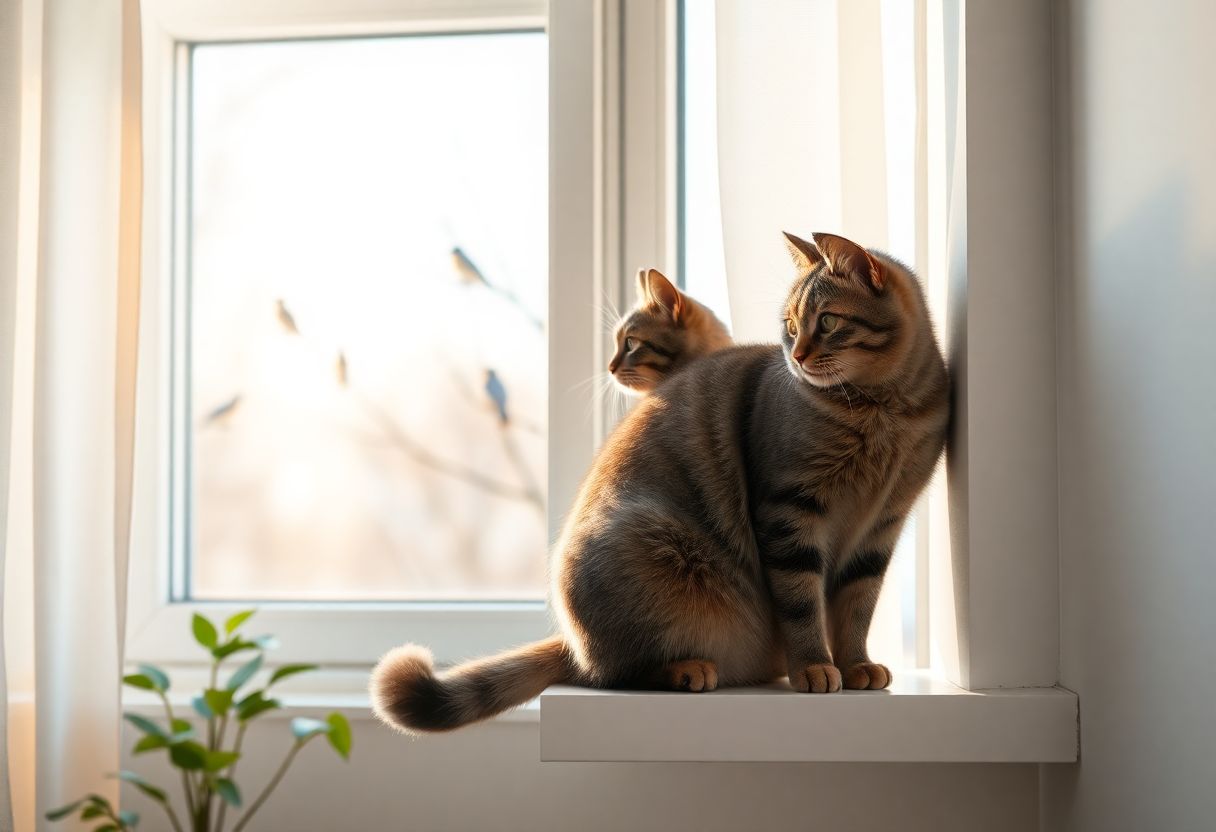
1. Upgrade one window into a true observation station
Spring window watching is not just cute. For many cats, it is meaningful sensory enrichment. Birds, moving leaves, changing light, and neighborhood activity give your cat a lot to track and process.
Instead of simply hoping your cat uses the windowsill, make one viewing spot intentionally cat-friendly:
- Add a stable perch, cat tree platform, or sturdy chair by the window.
- Make sure the screen is secure before opening the window for fresh air.
- Keep the perch in a room your household actually uses so your cat gets both environmental and social enrichment.
- Give shy cats partial cover nearby, such as a bed tucked beside furniture, so they can observe without feeling exposed.
The AAFP/ISFM framework highlights elevated resting areas and safe places as core environmental needs, and VCA notes that many indoor cats benefit from interesting views and activity trees placed near family life rather than hidden away. If you want more ideas for adding height without wasting floor space, see How to Create Vertical Territory in a Small Apartment and Cat Furniture and Vertical Space.
2. Rotate prey-style play instead of leaving every toy out
One common mistake is trying to enrich a cat by covering the floor in toys all at once. For most cats, novelty matters more than volume. A small rotation usually works better than permanent toy clutter.
Try this simple spring reset:
- Put most toys away for a week.
- Leave out only two or three types at a time.
- Use one toy for interactive play, one for solo batting, and one that makes a different sound or movement.
- Swap the set every few days.
International Cat Care recommends short, regular play sessions using toys that mimic prey, such as wand-style toys. Keep string and wand toys put away when playtime ends, since loose cords can become a chewing or entanglement hazard.
For many indoor cats, two or three focused play sessions of 5 to 10 minutes each day are more effective than one long session they lose interest in. Ending with a small food reward can help the routine feel complete.
3. Add food enrichment to one meal a day
Spring energy often shows up as more prowling, more attention-seeking, or more demand for snacks. Food enrichment can redirect some of that energy into natural foraging behavior.
VCA recommends hiding part of a cat’s daily food ration or using puzzle toys so indoor cats can “hunt” for food. The ASPCA also suggests simple DIY feeders made from cardboard tubes or boxes for cats who enjoy batting food free.
You do not need to overhaul every meal. Start with one:
- Scatter a measured dry-food portion across a safe room for your cat to search out.
- Use a puzzle feeder for part of breakfast.
- Hide a few treats in easy spots, then gradually make the search more interesting.
- Offer multiple mini hunting spots if you have a busy, food-motivated cat.
If your cat is prone to frustration, choose easy wins first. Enrichment should create engagement, not stress. Cats still need to eat their normal calories each day, so monitor intake and skip difficult puzzles for cats who give up easily or have mobility limitations.
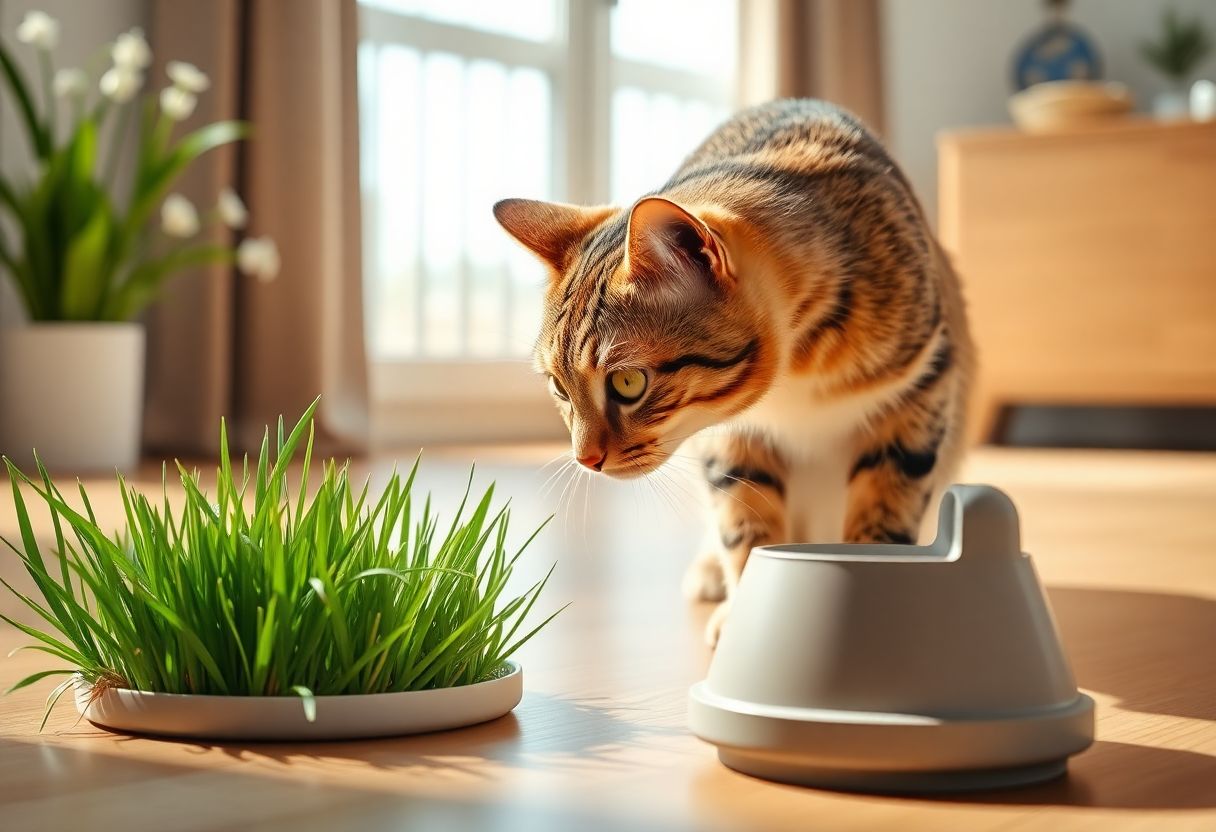
4. Bring in safe spring scents and textures
Spring is full of environmental change, and scent is part of that. Indoor cats often enjoy safe novelty through smell and texture, especially if they are not especially toy-driven.
Good options include:
- Fresh cat grass in a stable pot
- A small sprinkle of dried catnip or silvervine on a mat or scratcher
- A paper bag laid on its side for supervised exploration
- A cardboard box with new tissue paper or packing paper to rustle through
Keep this practical and safe. Do not bring home random spring plants and assume they are harmless. Many seasonal flowers and houseplants are unsafe for cats, and true lilies are an emergency-level risk. If you are refreshing your home for spring too, read Spring Flowers Toxic to Cats: Indoor Safety Guide before adding bouquets or potted plants.
5. Create a “follow the sun” rest-and-watch route
Not every enrichment upgrade has to look active. Resting in the right places is part of feline wellbeing too. Spring sunlight naturally changes where your cat wants to nap, stretch, and observe the room.
Try setting up two or three comfortable stops your cat can move between during the day:
- A soft bed near morning light
- A perch with an outdoor view in the afternoon
- A quiet hideout for evening downtime
This works especially well for cats who are older, cautious, or less toy-motivated. International Cat Care notes that a cat-friendly home should offer both stimulation and the ability to hide, perch, and feel secure. In other words, enrichment is not just about making your cat do more. It is also about helping your cat feel good in the space they already live in.
6. Refresh scratching zones instead of adding random scratchers
Spring cleaning often inspires people to move furniture around, but cats usually care more about function than decor. If your cat has started scratching the wrong spot, the answer may be placement, not another shopping spree.
Look at where your cat already stretches, wakes up, or gets excited. Then place scratching surfaces there on purpose. A useful spring reset might include:
- Replacing flattened cardboard scratchers
- Moving one vertical scratcher closer to a favorite doorway or nap spot
- Adding a horizontal option if your cat ignores upright posts
- Pairing the scratcher with a toy or treat trail to rebuild interest
Scratching helps with claw maintenance, body stretching, and scent communication. It is a normal behavior, not a bad habit to eliminate. If you are also dealing with heavier grooming season right now, our Spring Shedding Tips for Indoor Cats guide pairs well with a spring scratch-and-groom reset.
7. Build a simple weekly spring routine you can actually keep
The best enrichment plan is the one you will repeat. You do not need a perfect schedule. You need a realistic one.
Here is a simple week-3 style spring rhythm that works for many indoor cats:
- Daily: 5 to 10 minutes of interactive play, plus one window-watch or perch session
- Three times a week: rotate toys or change where one toy appears
- Several times a week: use a puzzle feeder or scatter-feed one meal
- Weekly: refresh cat grass, tidy perches, and inspect screens and toy condition
This kind of routine stability matters. Seasonal changes can energize some cats and unsettle others, so a predictable pattern helps enrichment stay enjoyable instead of chaotic. If you need a broader framework, start with Indoor Cat Enrichment Guide or How to Keep an Indoor Cat Entertained While at Work.
When to call your vet instead of assuming it is boredom
Spring restlessness is common, but behavior changes should not always be written off as a seasonal mood. Contact your vet if your cat also has:
- appetite loss
- vomiting
- coughing or wheezing
- overgrooming that causes hair loss or skin irritation
- new litter box issues
- sudden hiding, irritability, or pain signs
1. Pause any new toys, plants, or treats you recently introduced.
2. Make a note of what changed and when it started.
3. Call your veterinarian if symptoms persist, escalate, or seem out of character for your cat.
The bottom line on spring enrichment ideas for indoor cats
Spring is one of the easiest times of year to make indoor life more interesting for your cat. A better window setup, a toy rotation, one food puzzle, and a few safe sensory changes can go a long way.
You do not need to turn your home into a feline amusement park. You just need to make the indoor world feel a little more dynamic, a little more huntable, and a little more cat-friendly than it did last week.
If you want to keep the momentum going, read Indoor Cat Enrichment Guide and Signs Your Indoor Cat Is Bored next.
Sources
- Ellis SLH et al. AAFP and ISFM Feline Environmental Needs Guidelines. Journal of Feline Medicine and Surgery, 2013.
- VCA Animal Hospitals: Enrichment for Indoor Cats.
- International Cat Care: Making Your Home Cat Friendly.
- The Ohio State University Indoor Pet Initiative: For Cat Owners.
- ASPCA: Feline DIY Enrichment.