
March is when a lot of indoor-cat households notice the same thing at once: more fur on the couch, more hair on the cat tree, and a grooming routine that suddenly feels inadequate. That is why “what brush should I actually buy?” becomes a real question in spring. If you are choosing between a slicker brush and a deshedding tool, the short answer is that neither is universally “best.” They solve different problems, and using the wrong one can make grooming less effective—or less comfortable—for your cat.
The practical answer is this: most indoor cat owners should start with the gentler tool that matches their cat’s coat and tolerance, then add a second tool only if shedding, tangles, or undercoat buildup actually call for it. Veterinary and feline-care sources consistently recommend regular brushing to remove loose hair, reduce swallowed fur, and help you spot skin changes early. But they also make it clear that tool choice matters, especially for long-haired cats, sensitive cats, and heavy seasonal shedders.
Quick answer: slicker brush or deshedding tool?
- Choose a slicker brush if your cat needs regular maintenance, has light tangles, or only tolerates short gentle sessions.
- Choose a deshedding tool if your cat has a dense undercoat and heavy spring shedding that a regular brush is not keeping up with.
- Choose a rubber brush or grooming mitt if your cat is short-haired, sensitive, or suspicious of wire brushes.
- Choose a slicker brush plus comb if your cat is long-haired and you need both daily upkeep and mat checks.
If you are unsure, start gentler. It is usually easier to add a stronger tool later than to recover from a grooming routine your cat already hates.
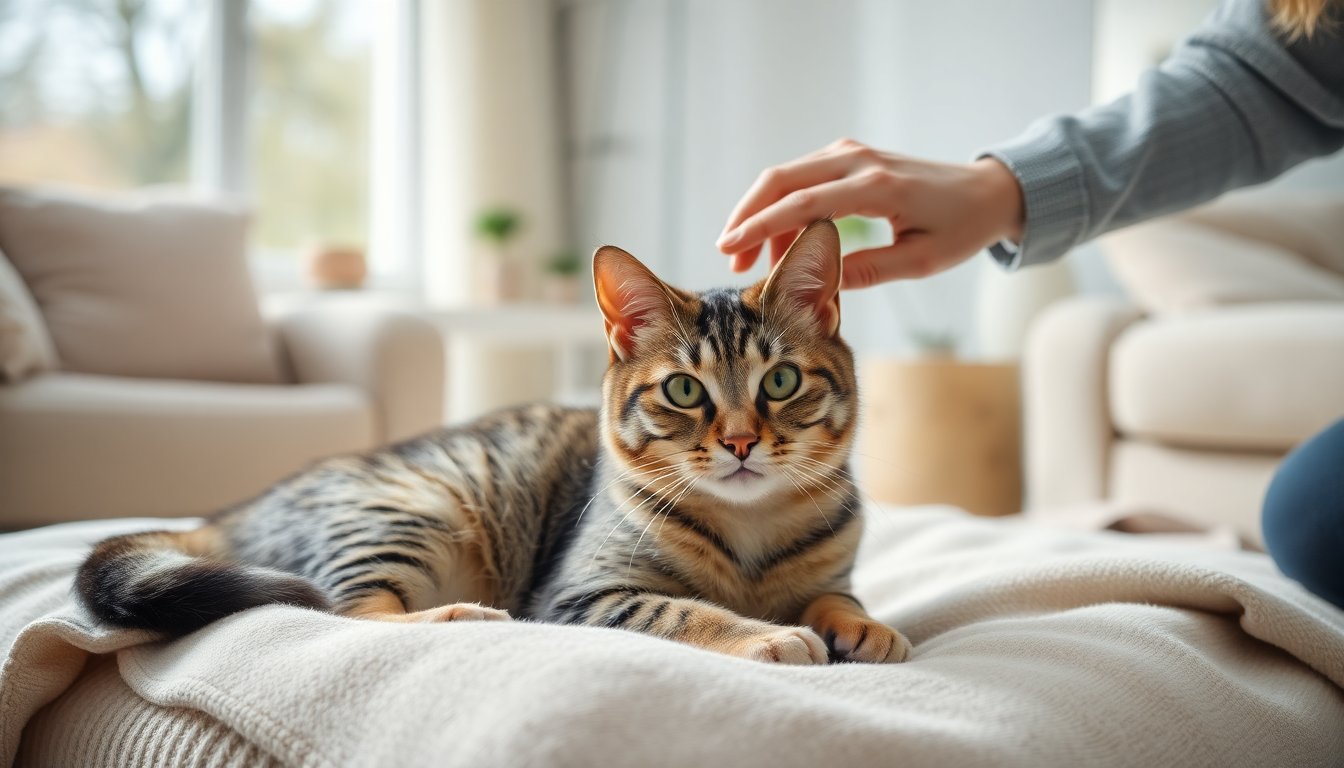
Why this comparison matters in spring
According to VCA, cats that live indoors often shed at lower levels year-round, but some still go through heavier seasonal coat changes. Cornell notes that hairballs tend to become more frequent during seasons when cats normally shed their coats, which is one reason spring brushing matters more than people expect. More loose hair on the coat usually means more hair swallowed during self-grooming, and that can translate into more hacking, more mess, and sometimes a real medical problem if a hairball causes obstruction.
Brushing is not just about neatness. VCA says regular brushing helps remove loose hair and dead skin cells, distribute natural oils, and reduce the amount of hair a cat swallows. International Cat Care adds another point that matters for indoor cats: daily grooming during moulting can remove much of the loose hair before your cat does it themselves. That makes spring an especially sensible time to look at your brush setup.
If you want the broader seasonal care picture, start with Spring Shedding Tips for Indoor Cats. This article goes narrower and answers the gear question: slicker brush, deshedding tool, rubber brush, or comb?
What a slicker brush does best
A slicker brush has a flat or slightly curved head covered in many fine wire pins. Its main job is to lift loose hair, smooth the coat, and help tease through light tangles before they turn into mats. For many medium-haired and long-haired cats, it is the most useful everyday maintenance tool because it covers a decent amount of coat without pulling out too much hair too aggressively.
In real life, a slicker brush is best when your cat:
- has medium or long fur that tangles easily,
- gets little clumps behind the ears or under the legs,
- needs regular coat maintenance rather than heavy undercoat stripping, or
- tolerates brushing only in short, gentle sessions.
VCA specifically notes that long-toothed metal combs or brushes with offset tines are helpful for medium- and long-haired cats because they remove loose hair and smooth minor tangles. That lines up with how slicker brushes are typically used: not as a forceful shedding tool, but as a steady, lower-drama brush for routine coat care.
The downside is that slicker brushes are only “gentle” when the person using them is gentle. Too much pressure can scratch the skin, especially on thin-coated areas like the belly, armpits, and inner legs. If your cat has delicate skin, a very fine slicker or a soft slicker is usually a better starting point than a firmer brush marketed as high-performance.
What a deshedding tool does best
A deshedding tool is different. It is designed to reach into the coat and pull out loose undercoat more efficiently than a basic brush. That can be useful when a cat is blowing coat, especially if they have a dense undercoat and your current grooming routine is not keeping up. Used well, a deshedding tool can noticeably reduce the amount of loose fur around the house and the amount your cat swallows during self-grooming.
But this is also the tool most likely to be overused. A deshedding tool is not an “everyday, everywhere, press harder for better results” device. If your cat has a light coat, sparse undercoat, irritated skin, or low tolerance for handling, a deshedding tool can feel like too much too fast. It can also remove more coat than you intended if you go over the same spot repeatedly.
That is why the best candidates for a deshedding tool are usually cats that:
- have a clear undercoat,
- shed heavily in spring,
- already tolerate grooming fairly well, and
- do not have obvious skin irritation, scabs, or painful mats.
If your cat mostly has loose surface hair rather than a packed undercoat, a slicker brush or rubber grooming tool is often enough. If they are a true fluff factory in March and April, the deshedding tool earns its place—but usually as a once- or twice-weekly tool, not your only brush.
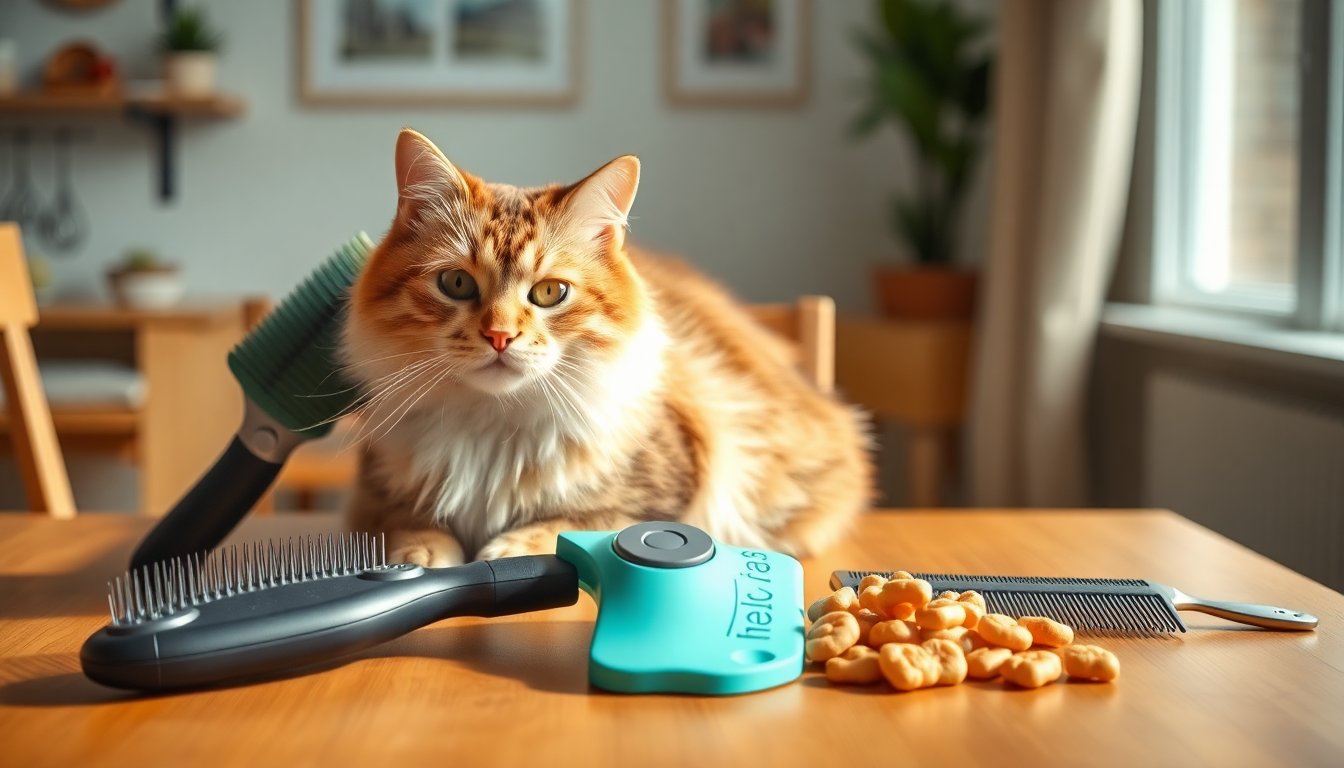
Where rubber brushes and metal combs fit in
This comparison gets more useful if you stop treating it as a two-tool universe. International Cat Care recommends a combination of tools depending on coat type, and ASPCA also describes different brushing approaches for different coats. In practice, many indoor cats do best with a small two-step routine instead of one magic brush.
Here is the simple breakdown:
- Rubber brush or grooming mitt: Great for short-haired cats, nervous cats, and cats who hate wire brushes. It removes surface hair well and often feels more like petting.
- Slicker brush: Best for routine coat maintenance, light tangles, and many medium- to long-haired cats.
- Metal comb: Best for checking problem areas like behind the ears, under the front legs, and along the pants and tail in long-haired cats.
- Deshedding tool: Best for dense coats and heavier seasonal undercoat removal.
If you already read Indoor Cat Grooming Guide: From Brushing to Nail Trimming, think of this article as the shopping version of that advice. The guide teaches the routine. This one helps you choose the tool that fits the routine.
Which tool is best for your cat’s coat?
For most short-haired indoor cats, a rubber brush or soft slicker is the better first buy. These cats often do not need aggressive undercoat removal. What they need is regular help lifting loose fur before they swallow it. A deshedding tool can still be useful for some short-haired cats with a surprisingly dense undercoat, but it is not the automatic best choice.
For medium-haired cats, a slicker brush is usually the most balanced starting point. It handles loose fur, catches early tangles, and is versatile enough for weekly maintenance even outside peak shedding season. If spring shedding is particularly intense, adding a deshedding tool occasionally can make sense.
For long-haired cats, you rarely want to rely on a single tool. A slicker brush plus metal comb is often the most practical core setup, because it lets you both brush the coat and check for forming mats. A deshedding tool can help some long-haired cats, but if the coat tangles easily, it should not replace combing and careful inspection.
For senior, sensitive, or easily overstimulated cats, tolerance matters more than theory. International Cat Care emphasizes that grooming should be built up gradually and that cats should not be forced through long, stressful sessions. If your cat accepts a rubber mitt but fights a slicker, the “less efficient” tool may still be the better real-world choice because you will actually use it consistently.
That is also where enrichment and routine stability matter. A cat who gets regular play, predictable handling, and short positive grooming sessions is usually easier to brush than a cat who is already tense or bored. If that sounds familiar, the Indoor Cat Enrichment Guide and How to Keep an Indoor Cat Entertained While at Work are both useful next reads.
How to brush without creating stress or skin irritation
The best brush still fails if the session is miserable. ASPCA recommends brushing in the direction the coat grows, focusing on one section at a time. International Cat Care recommends short sessions, treat breaks, and watching body language closely. Those details matter because grooming-related conflict is often what makes owners give up.
Use this simple checklist:
- Brush when your cat is already relaxed, not zooming or annoyed.
- Start with one easy area like the shoulders or back.
- Use short strokes in the direction of hair growth.
- Stop before your cat gets fed up; you do not need to finish the whole body in one go.
- Use treats, praise, or a lickable reward to keep the session positive.
- Do not rip through tangles or use scissors on mats.
VCA advises using clippers rather than scissors for mats and getting professional help when matting is severe. That is worth repeating because people underestimate how easy it is to cut a cat’s skin with scissors while trying to “just snip out” a knot.
When heavy shedding means you should call your vet
Not every shedding spike is a brush problem. Sometimes it is a skin problem, a parasite problem, an allergy problem, or a grooming problem caused by discomfort elsewhere in the body. VCA notes that allergic skin disease and seborrhea can cause excessive shedding. Cornell also points out that repeated hacking is not always about hairballs; respiratory or gastrointestinal issues can look similar.
Call your vet if you see any of these alongside shedding:
- bald patches, broken skin, or scabs,
- sudden overgrooming or licking in one area,
- pain when touched,
- new mats in a cat who usually keeps up with their coat,
- frequent vomiting, repeated unproductive retching, or appetite changes,
- itching, ear problems, or signs that suggest allergies or parasites.
If you are not sure whether you are seeing routine spring shedding or something medical, How to Tell If Your Indoor Cat Is Sick: 10 Warning Signs Every Owner Should Know is the right follow-up. The goal is not to self-diagnose everything with a brush purchase.
- Stop any brushing that seems painful or unusually frustrating for your cat.
- Check the skin in good light if your cat will tolerate it.
- Make a note of when the change started and whether vomiting, itching, or behavior changes came with it.
- Call your veterinarian if the shedding looks patchy, inflamed, or paired with other symptoms.
Bottom line: which tool should most indoor cat owners buy first?
If you want the simplest recommendation, here it is: buy a slicker brush first if your cat has medium or long hair, buy a rubber brush first if your cat is short-haired or touch-sensitive, and add a deshedding tool only if you are dealing with a true undercoat problem during spring shedding.
A slicker brush is the better all-purpose grooming tool. A deshedding tool is the better problem-solver for heavy seasonal undercoat. Most indoor cats do not need the most aggressive option; they need the tool they will tolerate, used consistently and gently.
If you want one smart next step, pair this comparison with Spring Shedding Tips for Indoor Cats so you can match the right brush to a realistic spring routine. Then keep Indoor Cat Grooming Guide: From Brushing to Nail Trimming handy for the actual how-to.