
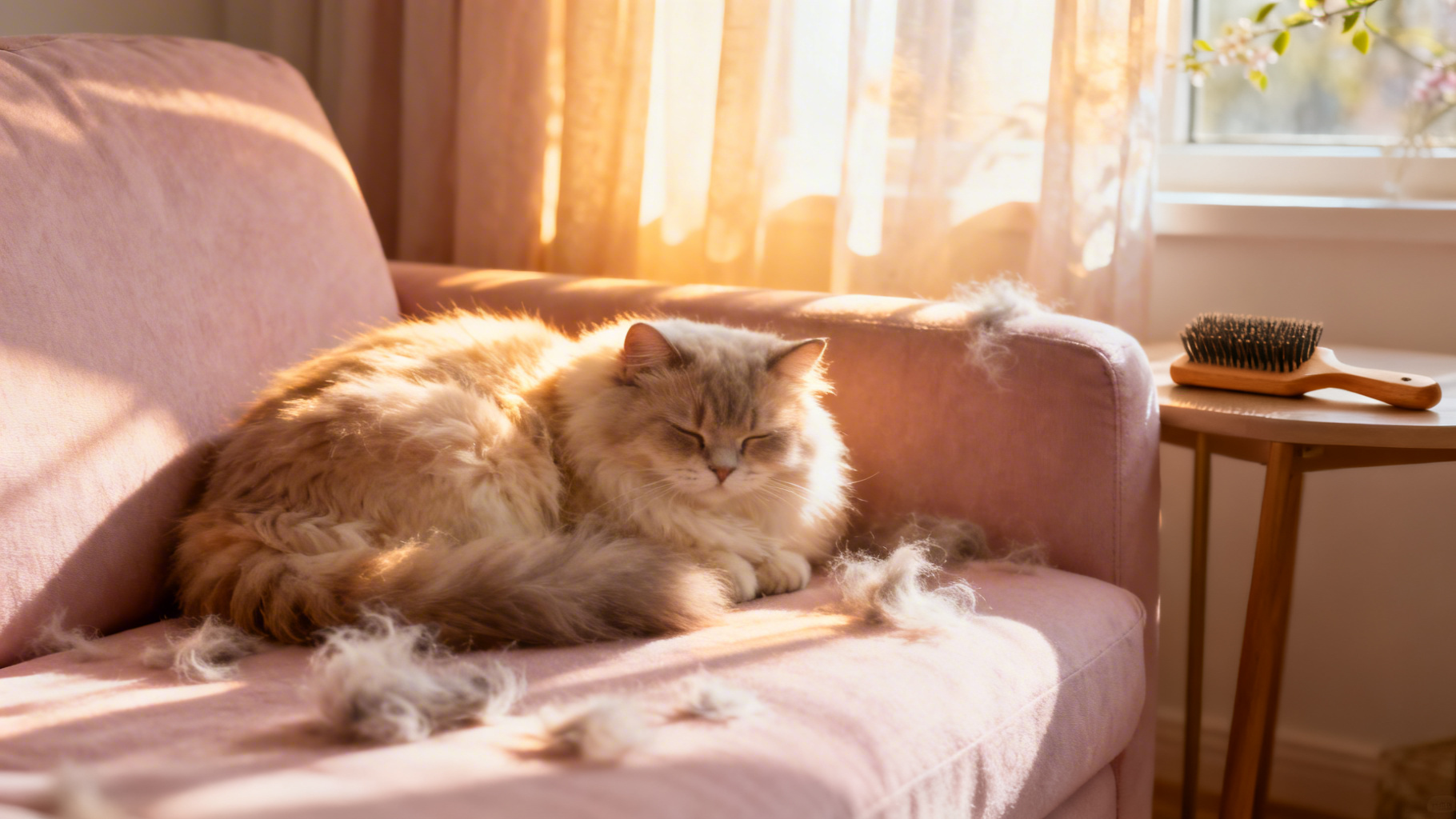
Every spring, plenty of indoor cat owners look down at the couch, the windowsill, and their black leggings and think the same thing: How is there this much fur everywhere?
If your cat seems to be leaving a soft outline of themself in every room, the good news is that some extra shedding can be completely normal. Cats naturally lose loose hair year-round, and many shed more noticeably during seasonal coat changes. The less-fun news is that not all heavy shedding is harmless. Sometimes what looks like “just spring shedding” can actually point to mats, over-grooming, skin irritation, parasites, stress, or another health problem.
For indoor cats, the goal is not to stop shedding entirely. That’s impossible. The real goal is to manage it in a way that keeps your cat comfortable, reduces hairballs, protects skin and coat health, and makes your home feel a little less like it’s upholstered in cat fur.
In this guide, you’ll learn what normal spring shedding looks like, when to worry, and how to build a realistic brushing routine that works for indoor cats.
Why indoor cats still shed in spring
It’s easy to assume seasonal shedding is mostly an outdoor-cat issue, but indoor cats still go through coat changes. International Cat Care notes that cats usually moult all year round to varying degrees, and grooming helps remove the loose hair before your cat swallows it. VCA Animal Hospitals also points out that cats who live indoors often shed at lower levels year-round, even if they don’t have the dramatic outdoor coat blow that some outdoor cats do.
That means your indoor cat may not suddenly drop a whole winter coat in one week, but you may still notice:
- more fur on bedding and furniture
- more hair clumps after petting sessions
- more hairballs than usual
- a coat that looks a little dull unless you help remove loose hair
If your cat is otherwise acting normal, eating well, and has healthy skin underneath the coat, spring shedding is usually more about maintenance than emergency.
What normal shedding looks like
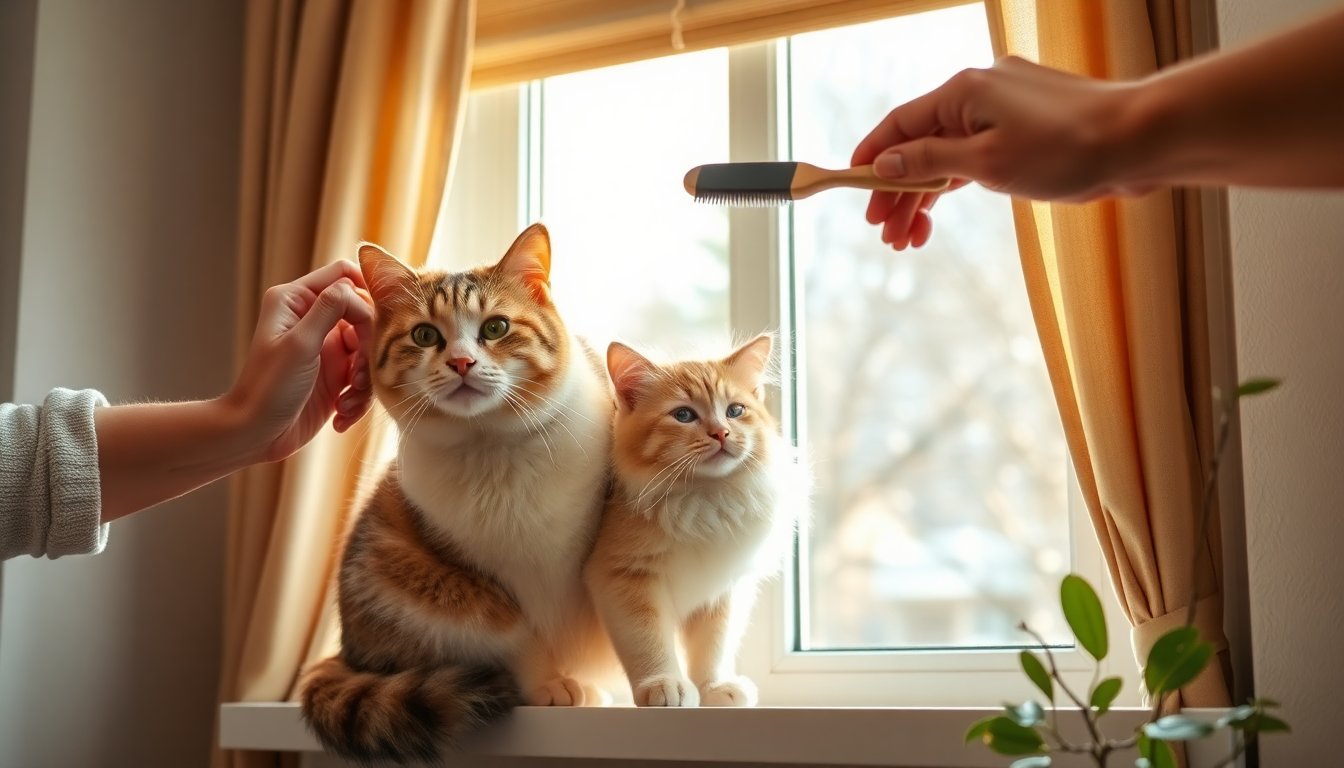
Normal shedding is messy, but it shouldn’t make your cat look patchy or uncomfortable. In a healthy cat, you’ll usually see loose hair coming away in the brush or on your hands while the coat underneath still looks even and full.
Some normal signs include:
- a little extra fur on favorite sleeping spots
- more loose undercoat during brushing
- occasional hairballs, especially in cats that groom a lot
- a healthy-looking skin surface with no redness, scabs, or sores
Cornell’s Feline Health Center notes that hairballs are more common in seasons when cats normally shed their coats, which is one reason consistent brushing matters more in spring. VCA likewise notes that daily brushing can reduce the amount of hair cats swallow while self-grooming, which may help reduce hairballs.
If you want a broader health baseline, it’s worth comparing your cat’s coat and behavior with the signs covered in How to Tell If Your Indoor Cat Is Healthy and the site’s Indoor Cat Wellness Guide.
When shedding is not normal
This is the part owners sometimes miss. “More fur than usual” can still be normal. But uneven hair loss, broken hair, irritated skin, or frantic grooming is a different story.
International Cat Care explains that over-grooming often shows up on the belly, legs, or flanks and may be linked to skin problems, pain, or stress. ASPCA grooming guidance also recommends paying attention to bald patches, fleas, ticks, wounds, or unusual bumps during brushing sessions.
Call your vet sooner rather than later if you notice:
- bald patches or noticeably thinning areas
- red, flaky, crusty, or sore skin
- mats forming close to the skin
- constant licking, chewing, or biting at the coat
- frequent unproductive retching, repeated vomiting, or loss of appetite
- new lethargy or behavior changes along with coat changes
Cornell warns that repeated unproductive retching, poor appetite, or lethargy should not be brushed off as a simple hairball issue. If your cat seems sick, this is also a good time to review 10 warning signs your indoor cat may be sick.
The best spring brushing routine for indoor cats
The most effective shedding routine is usually boring in the best possible way: short, calm, consistent sessions. You do not need an hour-long spa appointment. You need a routine your cat will actually tolerate.
1. Match the tool to the coat
VCA notes that stiff bristle brushes can work well for short coats, while long-toothed metal combs are more helpful for medium- and long-haired cats. International Cat Care recommends choosing tools based on coat type and keeping the experience gentle.
As a general rule:
- Short-haired cats: a soft bristle brush, grooming mitt, or fine comb may be enough
- Medium-haired cats: a combination of brush and comb often works best
- Long-haired cats: use a comb that can reach through the coat, especially around the armpits, belly, and behind the ears
If you need a full grooming overview beyond seasonal shedding, House Cat Living already has an excellent companion piece: Indoor Cat Grooming Guide: From Brushing to Nail Trimming.
2. Brush more often, but for less time
One of the biggest mistakes owners make is waiting until the coat feels out of control. During heavier shedding periods, brief daily or near-daily sessions usually work better than one intense weekly battle.
A practical schedule looks like this:
- Short-haired cats: 3 to 5 minutes, several times per week
- Long-haired cats: 5 to 10 minutes most days
- Senior cats or cats that struggle with self-grooming: more frequent help, even if sessions stay short
ASPCA notes that regular brushing removes dirt, grease, and dead hair from the coat while helping you monitor skin health. For older cats, this matters even more because they may not groom as thoroughly as they used to.
3. Brush when your cat is calm
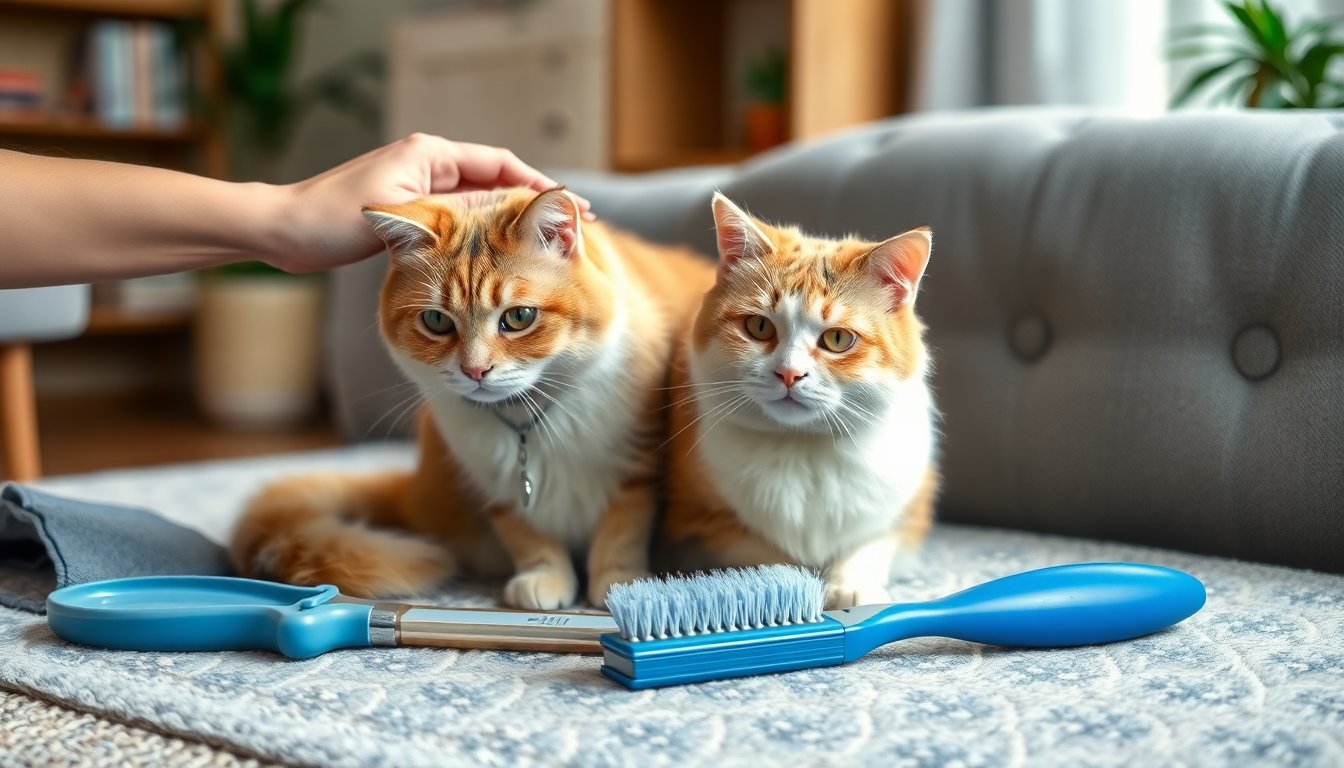
International Cat Care recommends starting grooming only when your cat is relaxed and stopping if your cat shows signs of stress. Skin rippling, tail swishing, freezing, ear flicking, lip licking, hissing, or suddenly turning toward the brush are all signs to back off.
The best time to brush is often:
- after play
- after a meal
- during an existing cuddle window
- in a quiet room without other pets crowding in
If your cat starts escalating, end the session while things are still calm. That makes the next session much easier.
4. Focus on the mat-prone zones
Long-haired cats especially need extra attention in friction spots where tangles hide: behind the ears, under the front legs, along the belly, and around the hindquarters. VCA advises checking the coat daily for tangles or clumps in those areas.
If you find a small tangle, work gently. If mats are tight, extensive, or close to the skin, don’t reach for scissors. VCA specifically recommends clippers rather than scissors for mat removal, and severe matting is best handled by a groomer or veterinarian.
How to reduce shedding without overdoing grooming
More brushing isn’t always better. Aggressive de-shedding tools or rough sessions can irritate the skin, break hair, and make sensitive cats hate the whole process.
To keep things helpful instead of stressful:
- use light pressure
- work in the direction of hair growth unless your cat clearly enjoys otherwise
- stop before your cat gets overstimulated
- reward with treats, praise, or a favorite quiet activity
- don’t bathe your cat just because shedding increased
ASPCA notes that most cats rarely need baths unless they get into something sticky, dirty, or hard to remove. For typical spring shedding, regular brushing is a much better first-line strategy than frequent bathing.
What helps besides brushing
Brushing does the heavy lifting, but a few small home habits can make shedding season much easier.
Support coat health from the inside
Your cat’s skin and coat reflect overall health. VCA notes that nutrition influences coat shine and texture from the inside, while grooming helps on the outside. Make sure your cat has consistent access to fresh water and a complete, balanced diet appropriate for their life stage.
If hydration is an ongoing challenge in your home, the site’s Cat Hydration Guide is worth bookmarking.
Keep stress low
Some cats groom more when they’re stressed. International Cat Care notes that over-grooming can have a stress component, even when there is also a medical trigger. If your cat’s shedding seems to spike alongside household changes, boredom, conflict with another pet, or reduced routine, address the lifestyle piece too.
That’s where enrichment matters. Rotate toys, keep a steady daily rhythm, and make sure your cat has safe resting spots and vertical space. If you need ideas, link up this seasonal routine with Why Indoor Cats Need Environmental Enrichment and How to Keep an Indoor Cat Entertained While at Work.

Clean smarter, not harder
You don’t need to deep-clean your entire house every day. A few targeted habits help a lot:
- keep a lint roller near your cat’s favorite nap spots
- wash throws and bedding more often during heavy shedding weeks
- vacuum upholstered surfaces and cat furniture regularly
- brush your cat in one easy-to-clean area when possible
The more hair you catch in the brush, the less ends up in your home.
A simple spring shedding checklist
- Brush your cat consistently based on coat length
- Check skin for redness, scabs, fleas, or bald patches
- Watch for increased hairballs or repeated retching
- Address mats early before they tighten
- Support hydration, nutrition, and low-stress routines
- Call your vet if shedding looks uneven, excessive, or paired with illness signs
Bottom line
Spring shedding is normal for many indoor cats, but “normal” should still look like a healthy coat on a comfortable cat. If the skin looks good, the fur is coming out evenly, and your cat is acting like themself, your job is mainly to stay ahead of loose hair with calm, regular grooming. If you see bald patches, skin irritation, stress grooming, or repeated hairball trouble, it’s time to treat the situation as more than a housekeeping problem.
A few minutes of brushing now can mean fewer mats, fewer hairballs, and a much happier cat through the messiest weeks of spring.
If your cat’s coat changes feel sudden or extreme, don’t guess—book a vet visit. And if you want to build a full indoor-cat care routine around grooming, wellness, hydration, and enrichment, browse the rest of House Cat Living for practical next steps.