

Most indoor cats need a nail trim every 2 to 4 weeks.
That range works well for many indoor cats, but not all of them land on the same schedule. A very active cat who uses scratchers constantly may stay closer to the 3- to 4-week end of the range. A senior cat, less active cat, or cat with fast-growing nails may need trims closer to every 2 weeks.
The goal is simple: keep the nails from getting sharp, hooked, or overgrown without turning trimming into a stressful wrestling match. If you want the bigger grooming picture too, our guide to indoor cat grooming from brushing to nail trimming covers the rest of a practical home-care routine.
How often should you trim an indoor cat’s nails?
A practical rule for most indoor cats looks like this:
- Every 2 weeks: seniors, low-activity cats, cats with fast nail growth, or cats whose nails start catching quickly
- Every 3 weeks: a common sweet spot for healthy adult indoor cats
- Every 4 weeks: active scratcher-users whose nails still stay short and smooth between trims
If you are not sure where your cat falls, start by checking the nails once a week and trimming on an every-3-weeks rhythm. After a month or two, you will usually see whether your cat needs more or less frequent trims.

What changes an indoor cat’s nail trimming schedule?
Age and life stage
Kittens may need frequent handling practice, but not always a full trim at every session. The bigger goal is helping them get used to paw touching early.
Adult cats often settle into a predictable routine.
Senior cats are different. Many older cats scratch less, move less, and do less natural nail wear, which means trims often need to happen a little more often. Their nails can also thicken or curve more with age, especially the dewclaws.
Activity level and scratching habits
A cat who climbs cat trees, uses cardboard scratchers, and stretches against a sturdy vertical post may naturally file the nail tips a bit between trims.
A cat who mostly naps, walks on soft rugs, and ignores scratchers usually gets less of that natural wear.
Scratchers help, but they do not usually replace trims entirely. If your cat needs better scratching options, these guides may help:
Nail growth, nail thickness, and dewclaws
Some cats simply grow sharper nails faster than others.
You will also want to pay extra attention to the dewclaws, the higher claws on the inside of the front legs. Since they do not make contact with scratching surfaces the same way other nails do, they can overgrow sooner and may need trimming even when the other nails look fine.
Signs your cat’s nails are too long
You do not need to guess. Cats usually give you a few clues.
- the nails feel needle-sharp during normal handling
- the tips start catching on blankets, carpet, or upholstery
- you sometimes hear light clicking on hard floors
- the nails look more curved than usual
- your cat gets snagged while stretching
- the dewclaws look long or start curling inward
If your cat’s nails are only sharp but not especially long, a small tip trim is usually enough. If they are strongly curved, thick, or difficult to manage, it may be time for a more careful session or professional help.
A simple indoor cat nail trimming schedule you can follow
If you want an easy indoor cat nail trimming schedule, use this:
Weekly
- do a quick paw check
- look at the dewclaws
- notice any snagging, clicking, or extra sharpness
Every 2 to 4 weeks
- trim the front nails
- trim back nails if they need it
- check whether one paw or one nail seems to grow faster
Every few months
- reassess whether your cat’s routine still makes sense
- update the schedule if your cat is aging, becoming less active, or ignoring scratchers more often
A small-and-often routine is usually easier than waiting until every nail is overgrown. In practice, trimming just the sharp tips regularly is less stressful than doing a big catch-up session.
How to trim your cat’s nails safely at home
What you need before you start
- cat nail clippers sized for cats, not large dog clippers
- styptic powder in case of a small accidental nick
- a towel if your cat feels more secure with gentle wrapping
- good lighting so you can see the nail clearly
- treats if your cat responds well to them
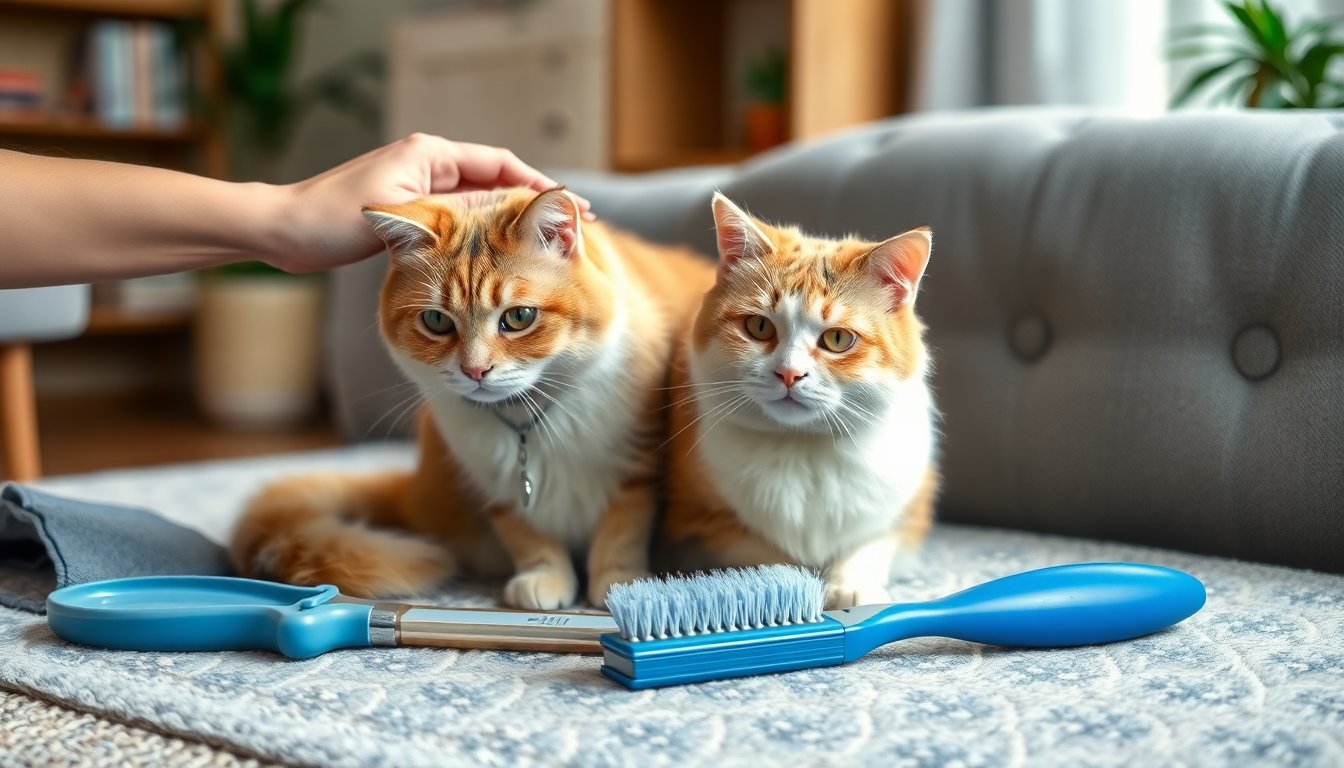
Step 1: Pick a calm time
Do not start right after zoomies, mealtime chaos, or a stressful event.
The best time is when your cat is naturally sleepy, relaxed, or already cuddled near you. Even trimming one or two nails at a time counts as success.
Step 2: Get your cat comfortable with paw handling
Before you even clip, practice this:
- touch one paw briefly
- press and release gently
- reward and stop
That teaches your cat that paw handling is not a trap. If your cat hates nail trims, this practice step matters more than trying to finish all four paws in one sitting.
New cat owner? Our first-week checklist for a new indoor cat can help you build calm handling habits early.
Step 3: Press the toe gently to extend the nail
Hold the paw softly and press the top and bottom of the toe just enough to extend the claw.
On clear or lighter nails, you can usually see the pink area inside. That is the quick, and you want to avoid cutting into it.
On darker nails, trim less, use good light, and take only the hooked tip.
Step 4: Trim only the sharp tip
In most home nail trims, you are not trying to make the nail dramatically short. You are usually just removing the curved, needle-like end so the nail is smoother and less likely to snag.
That is why frequent small trims are so practical. They are lower stress for both of you.
Step 5: Stop before your cat is overwhelmed
If your cat starts pulling away, growling, whipping the tail, or getting tense, stop.
You do not get bonus points for finishing all paws in one session. A low-stress routine works better long term than pushing your cat past tolerance.
How short should you cut cat nails?
If you are wondering how short to cut cat nails, the safest answer is: only trim the sharp hooked tip unless you can clearly see there is more safe space.
- trim a small amount
- stay well clear of the pink quick
- when in doubt, cut less
For many indoor cats, that small tip trim is enough to reduce scratching damage, snagging, and accidental pokes.
Back nails often need less trimming than front nails, but they should still be checked regularly. Front dewclaws deserve extra attention because they are more likely to overgrow unnoticed.
What if you cut the quick?
It happens, especially when you are new to trimming or your cat jerks suddenly.
- stay calm
- apply styptic powder or gentle pressure with a clean cloth
- stop the session
- give your cat time to settle
A small quick nick can bleed more than you expect from such a small area, but that does not automatically mean a major emergency. The most important thing is to stay calm and avoid turning the experience into a bigger struggle.
If bleeding does not stop promptly, or if the nail looks damaged rather than simply nicked, contact your vet for advice. For general home-care basics, our guide to an essential first aid kit for indoor cats is a good next read.
Scratchers help, but they do not replace trimming
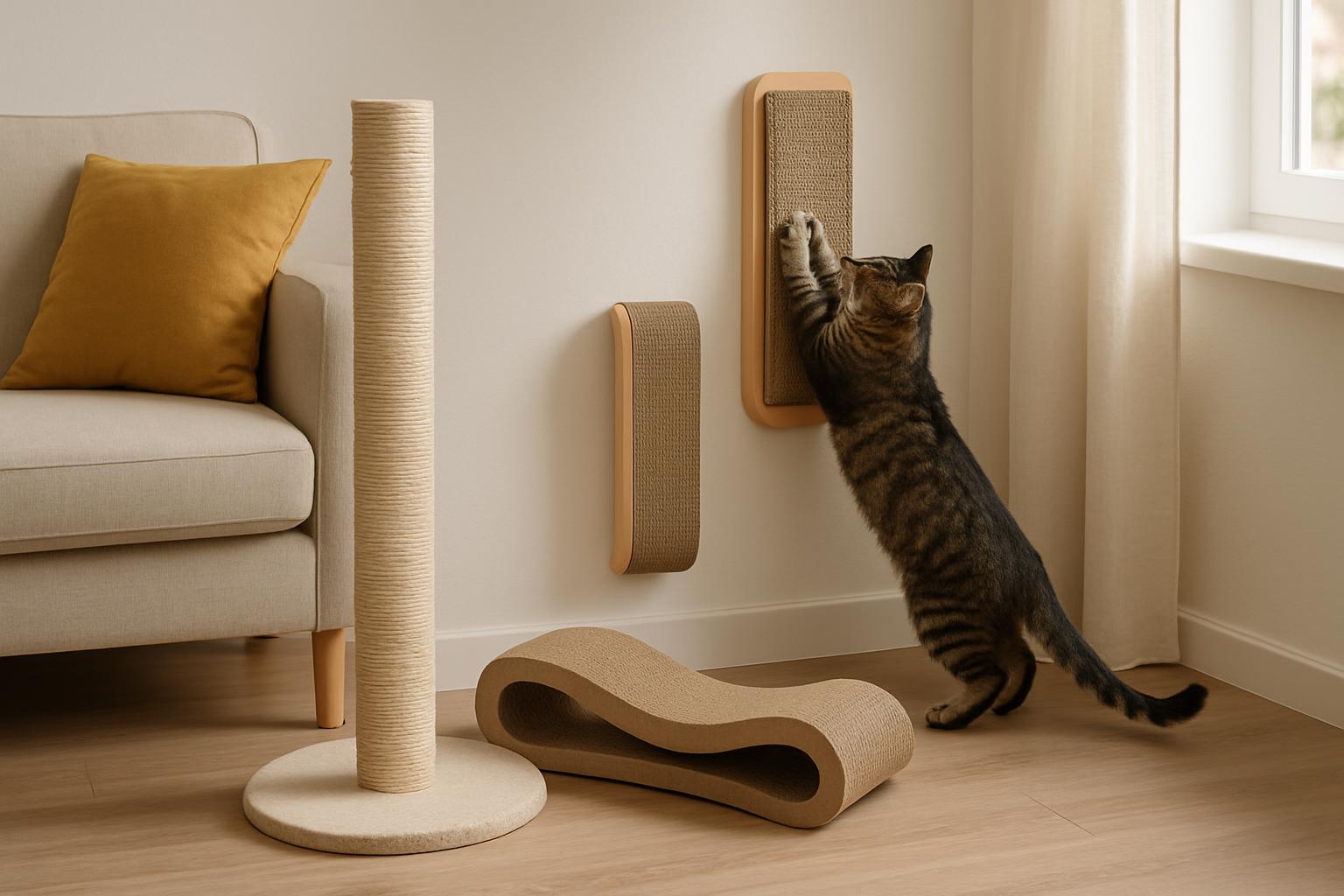
A good scratching setup helps remove tiny bits of the nail sheath and gives your cat a healthy outlet, but it usually will not keep indoor cat nails perfectly maintained on its own.
That means both things matter: regular scratchers in the areas your cat already uses and a simple trim routine based on your cat’s growth rate.
If your cat ignores scratchers, changing the style or placement often works better than assuming your cat is just stubborn. A tall, sturdy post or a horizontal cardboard lounger can make a big difference, especially if you place it where your cat already likes to scratch.
When to ask a groomer or vet for help
Ask for professional help if:
- your cat becomes panicked or aggressive during trims
- the nails are severely overgrown or curling toward the paw pad
- the nails are unusually thick, brittle, or hard to assess
- you are not sure where the quick begins
- your senior cat’s nails seem to be changing shape quickly
This is also a good time to pay attention to your cat’s overall comfort, mobility, and normal habits. If something about their paws, movement, or self-care seems off more broadly, a wellness check is worth considering. Our article on how to tell if your indoor cat is healthy can help you notice the bigger picture.
FAQ
Is every 2 weeks too often for cat nail trimming?
Not necessarily. For some indoor cats, especially seniors or cats with fast-growing nails, every 2 weeks is completely reasonable. The goal is not to follow a rigid calendar. It is to trim often enough that the nails never get overgrown.
Do indoor cats need more nail trims than outdoor cats?
Often, yes. Indoor cats usually get less natural wear from climbing rough surfaces and traveling outdoors, so their nails may stay sharper and need more regular trimming.
Do senior cats need their nails trimmed more often?
Many do. Senior cats often scratch less and may grow thicker, more curved nails, including overgrown dewclaws.
What about back nails?
Back nails may not need trimming as often as front nails, but they should still be checked regularly. Some cats wear them down well, and some do not.
How do I know if I am cutting too much?
If you are getting close to the pink quick, stop. When in doubt, trim less. A small tip trim is safer and usually enough for routine home maintenance.
For most indoor cats, the simplest plan is to check the nails weekly and trim every 2 to 4 weeks based on how quickly they grow. That keeps the routine manageable and helps you catch overgrown dewclaws before they become a bigger problem.
If you want a broader routine that covers brushing, mats, bathing, and nail care together, read our indoor cat grooming guide.