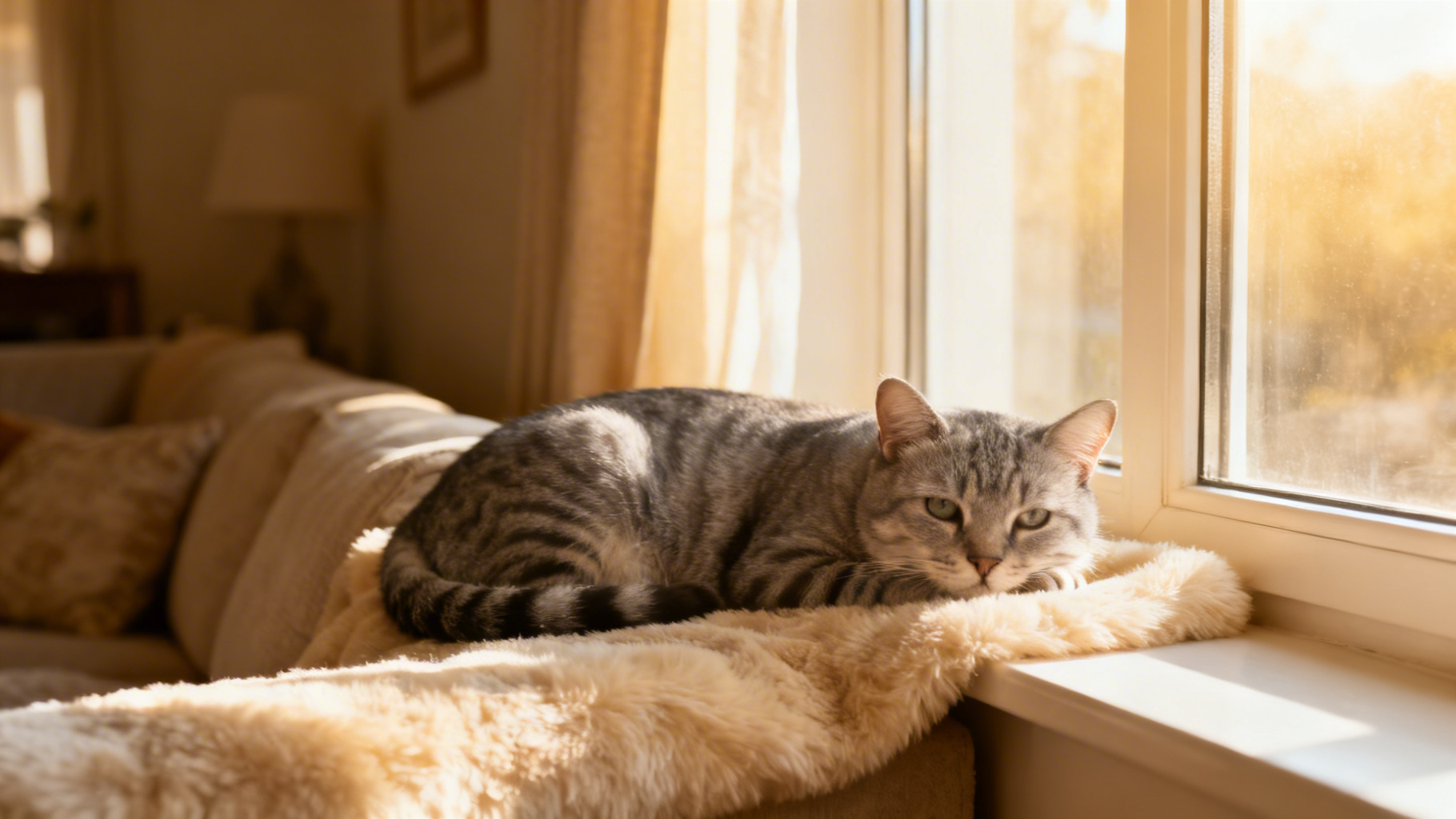
Your playful kitten has grown into a dignified senior citizen, and their needs are changing. Senior cats require different care than younger adults—from nutrition adjustments to veterinary frequency to home modifications. Understanding these changes helps you provide the best possible care during your cat’s golden years, keeping them comfortable, healthy, and happy for as long as possible.
When Is a Cat Considered “Senior”?
Cats are generally considered senior at age 11-14 and geriatric after age 15. However, aging isn’t just about numbers—it’s about the physical and behavioral changes your cat experiences.
Life stage breakdown:
- Mature (7-10 years): Early aging signs may appear
- Senior (11-14 years): Noticeable age-related changes
- Geriatric (15+ years): Advanced aging, more health monitoring needed
Indoor cats typically live 12-18 years, with many reaching their early twenties with proper care. Your senior care efforts directly impact how long and how well your cat lives.
Age-Related Changes in Senior Cats
Understanding what’s happening inside your aging cat helps you recognize normal aging versus signs of illness.
Physical Changes
Musculoskeletal system:
- Muscle mass decreases (cats may feel bonier)
- Arthritis develops in joints (very common, often undiagnosed)
- Reduced flexibility and jumping ability
- Slower movement, especially when rising
- Changes in gait or posture
Sensory decline:
- Vision deteriorates (cloudiness in eyes is common)
- Hearing loss (may not respond to name or sounds)
- Reduced sense of smell (affects appetite)
- Taste changes
Organ function:
- Kidney function gradually declines
- Heart may become less efficient
- Liver processes medications more slowly
- Thyroid problems become more common
- Immune system weakens
Dental health:
- Tooth loss
- Gum disease progression
- Painful dental conditions affecting eating
Coat and skin:
- Coat becomes dull or matted (grooming becomes difficult)
- Skin loses elasticity
- Claws grow faster and may become overgrown
Behavioral Changes
- Sleep patterns: Sleep even more than usual (though cats already sleep 12-16 hours daily)
- Activity level: Less playful, more sedentary
- Grooming: May groom less (or excessively in painful areas)
- Litter box: Accidents may increase due to arthritis, cognitive decline, or kidney issues
- Vocalization: May become more vocal, especially at night (can indicate cognitive dysfunction)
- Social behavior: May seek more attention or become more withdrawn
- Confusion: Disorientation, forgetting routines, or seeming “lost” in familiar spaces
Nutrition for Senior Cats
As cats age, their nutritional needs change. What worked for your young adult cat may not be optimal for your senior.
Protein Requirements
Contrary to old beliefs, senior cats need more high-quality protein, not less. Muscle loss (sarcopenia) is common in aging cats, and adequate protein helps maintain muscle mass.
Look for:
- High-quality animal protein as the first ingredient
- At least 30-40% protein content (on a dry matter basis)
- Easily digestible protein sources
Calorie Considerations
Senior cats often need fewer calories because they’re less active, but some seniors actually lose weight and need more calories. Monitor your individual cat.
If your senior is overweight:
- Reduce calories gradually (rapid weight loss is dangerous)
- Increase play and gentle activity
- Use puzzle feeders to slow eating
- Work with your vet on a weight loss plan
If your senior is losing weight:
- This can indicate illness—see your vet immediately
- Offer more frequent, smaller meals
- Try warming food to increase aroma and appeal
- Consider higher-calorie senior formulas
Hydration Is Critical
Senior cats are prone to kidney disease and dehydration. Many don’t drink enough water.
Strategies to increase water intake:
- Switch to or add wet food (contains 70-80% water)
- Use water fountains (running water is more appealing)
- Place multiple water bowls throughout the house
- Add water or low-sodium broth to food
- Try different bowl materials (some cats prefer ceramic or glass)
- Keep water fresh and clean
Special Dietary Needs
For kidney disease:
- Lower phosphorus content
- Controlled protein levels (quality over quantity)
- Increased omega-3 fatty acids
- Prescription renal diets if recommended by your vet
For arthritis:
- Omega-3 fatty acids (anti-inflammatory)
- Glucosamine and chondroitin supplements (with vet approval)
For dental issues:
- Softer foods or wet food
- Smaller kibble if feeding dry food
- Warmed food to enhance aroma
Feeding Tips for Picky Senior Eaters
- Warm food to body temperature to increase smell
- Try different textures (pate, chunks, gravy)
- Hand-feed to encourage eating
- Elevate food bowls for easier eating
- Feed smaller meals more frequently
- Add low-sodium chicken broth or tuna juice as a topper
Important: Any sudden change in appetite requires a vet visit. Weight loss in senior cats often indicates serious illness.
Veterinary Care for Senior Cats
Senior cats need more frequent veterinary attention because they’re at higher risk for diseases that progress quickly.
Recommended Veterinary Schedule
Ages 7-10 (Mature): Annual wellness exams
Ages 11-14 (Senior): Every 6 months
Ages 15+ (Geriatric): Every 4-6 months, or as recommended
What Senior Wellness Exams Should Include
Physical examination:
- Weight and body condition assessment
- Dental examination
- Heart and lung auscultation
- Abdominal palpation
- Thyroid gland palpation
- Musculoskeletal assessment (checking for arthritis pain)
- Eye examination
Laboratory tests (annually or biannually):
- Complete blood count (CBC) – checks for anemia, infection, and blood cell abnormalities
- Blood chemistry panel – evaluates kidney, liver, and other organ function
- Thyroid testing (T4) – hyperthyroidism is very common in senior cats
- Urinalysis – detects kidney disease, diabetes, urinary tract issues
- Blood pressure – hypertension is common and can cause serious complications
Additional tests as needed:
- X-rays for suspected arthritis or organ issues
- Ultrasound for organ evaluation
- ECG if heart problems suspected
Common Senior Cat Health Issues
Chronic kidney disease (CKD):
- Affects 30-40% of cats over age 10
- Signs: increased thirst/urination, weight loss, poor appetite
- Management: special diet, hydration support, medications
Hyperthyroidism:
- Very common in senior cats
- Signs: weight loss despite good appetite, hyperactivity, vomiting
- Treatment: medication, radioactive iodine, or surgery
Arthritis:
- Affects up to 90% of cats over age 12
- Signs: difficulty jumping, stiffness, reduced activity, litter box avoidance
- Management: pain medication, joint supplements, environmental modifications
Dental disease:
- Extremely common and painful
- Signs: bad breath, drooling, difficulty eating, pawing at mouth
- Treatment: professional dental cleaning, extractions if needed
Diabetes:
- More common in overweight senior cats
- Signs: increased thirst/urination, weight loss, increased appetite
- Management: insulin injections, diet control
Cancer:
- Risk increases with age
- Signs vary depending on type; any unusual lumps, bumps, or behavior changes warrant examination
Cognitive dysfunction syndrome (cat dementia):
- Affects 28% of cats aged 11-14 and 50% over age 15
- Signs: disorientation, altered sleep-wake cycles, excessive vocalization (especially at night), litter box accidents, changes in social interaction
- Management: environmental enrichment, routine maintenance, possible medications
When to Call the Vet Immediately
Senior cats can decline quickly. Don’t wait if you notice:
- Sudden loss of appetite (more than 24 hours)
- Rapid weight loss
- Difficulty breathing
- Straining to urinate or defecate
- Lethargy or hiding
- Vomiting or diarrhea lasting more than 24 hours
- Seizures or collapse
- Sudden behavior changes
Home Modifications for Comfort
As cats age, their physical abilities change. Small modifications make a huge difference in their quality of life.
Litter Box Accessibility
Arthritis makes jumping into high-sided litter boxes painful.
Solutions:
- Switch to litter boxes with low sides or cut-out entries
- Place litter boxes on every floor of your home
- Don’t make your cat climb stairs to reach the box
- Use larger boxes (easier to turn around in)
- Keep boxes scrupulously clean (seniors may be less tolerant of dirty boxes)
- Consider softer litter if paws are sensitive
Food and Water Station Adjustments
- Elevate bowls – Reduces neck strain for arthritic cats
- Use shallow, wide bowls – Many cats dislike whisker contact with bowl sides
- Place on each floor – Reduces stair climbing
- Non-slip mats – Prevent bowls from sliding on hard floors
Furniture and Climbing Access
Senior cats still want access to their favorite perches but may struggle to reach them.
Provide:
- Ramps or pet stairs – To beds, sofas, window perches
- Lower-level alternatives – Ground-level beds near sunny windows
- Non-slip surfaces – Rugs or mats on slippery floors
- Stable surfaces – Wobbly furniture becomes scary when balance is compromised
Bedding Comfort
Senior cats benefit from supportive, warm sleeping areas.
- Orthopedic beds – Memory foam supports achy joints
- Heated beds – Warmth soothes arthritis (use pet-safe heating pads only)
- Multiple beds – Place in favorite sunny spots, quiet areas, and near family activity
- Easy-access beds – Low sides for easy entry/exit
Temperature Considerations
Senior cats regulate body temperature less efficiently.
- Keep home at comfortable temperatures (not too cold)
- Provide extra blankets or heated beds in winter
- Ensure cool areas and fresh water in summer
- Watch for overheating—seniors are more susceptible
Lighting and Navigation
Vision declines with age, and cognitive dysfunction can cause disorientation.
- Use nightlights in hallways and near litter boxes
- Don’t rearrange furniture frequently
- Keep pathways clear of obstacles
- Make sure litter boxes, food, and water are easy to find
Grooming Your Senior Cat
Arthritis and reduced flexibility make self-grooming difficult for senior cats.
Brushing
- Brush daily or several times per week
- Use gentle strokes; arthritic cats may be sensitive
- Pay attention to areas the cat can’t reach: back, hindquarters, behind ears
- Check for mats and remove gently (or have a groomer help)
- Look for lumps, bumps, or skin issues while grooming
Nail Care
Senior cats’ nails grow faster and may not wear down naturally because they’re less active.
- Trim nails every 2-3 weeks
- Watch for nails curling into paw pads
- Overgrown nails can snag on fabric and cause injury
- If your cat won’t tolerate trimming, ask your vet for help
Sanitary Grooming
Reduced mobility may mean your cat can’t clean their rear end effectively.
- Check daily for fecal matter stuck in fur
- Gently wipe with unscented, cat-safe wipes
- Consider trimming fur around the hindquarters (carefully or professionally)
Dental Care
- Brush teeth if your cat tolerates it
- Use cat-specific toothpaste (human toothpaste is toxic)
- Offer dental treats or water additives
- Schedule professional cleanings as recommended by your vet
Mental Stimulation and Enrichment
Senior cats still benefit from mental stimulation and enrichment, though activities should be gentler and shorter.
Age-appropriate activities:
- Gentle play sessions – Short (5-10 minute) sessions with wand toys at ground level
- Puzzle feeders – Keeps minds engaged, slows eating
- Window bird watching – Set up comfortable perches near windows
- Scent enrichment – Catnip, silvervine, or safe herbs
- Soft music or cat TV videos – Some seniors enjoy background stimulation
- Social interaction – Many seniors appreciate more quality time with their humans
Adjust activities based on your cat’s ability and energy. Don’t force activity, but do offer opportunities.
Managing Cognitive Dysfunction
If your senior cat shows signs of cognitive decline:
- Maintain routine – Consistency reduces confusion
- Environmental enrichment – Mental stimulation may slow decline
- Night lights – Help with nighttime disorientation
- Respond calmly to vocalizations – Your cat may be confused or anxious
- More frequent vet checkups – Rule out medical causes of behavior changes
- Consider medications – Some medications can help manage cognitive dysfunction
- Patience – Your cat isn’t being difficult on purpose
Quality of Life Assessment
As cats age, regularly assess their quality of life. Ask yourself:
- Is my cat eating and drinking normally?
- Is my cat in pain? (Signs: hiding, reduced activity, vocalizing, hunched posture, aggression when touched)
- Can my cat use the litter box successfully?
- Does my cat still enjoy favorite activities?
- Is my cat’s bad days outnumbering good days?
- Can my cat’s medical conditions be managed effectively?
These are difficult questions, but they’re important. Your veterinarian can help you assess quality of life objectively.
The Gift of Senior Cat Companionship
Caring for a senior cat requires more effort, time, and often financial resources. But senior cats offer something special: a deep, settled companionship built on years of shared life.
Senior cats are typically:
- Calmer and more predictable
- Less destructive than younger cats
- More bonded to their humans
- Content with quiet companionship
- Appreciative of your care in ways young cats often aren’t
By providing excellent senior care, you’re not just extending your cat’s life—you’re ensuring those extra years are comfortable, dignified, and filled with the love they deserve.
Final Thoughts
Senior cat care is about adapting to your cat’s changing needs while maintaining their dignity and comfort. Small adjustments—a ramp here, a heated bed there, more frequent vet visits—add up to a significantly better quality of life.
Pay attention to changes, stay proactive with veterinary care, and don’t hesitate to make your home more senior-friendly. Your aging cat has given you years of companionship; now it’s your turn to ensure their golden years are truly golden.
The relationship between you and your senior cat is a testament to the bond you’ve built over a lifetime together. Treasure this time and provide the care that honors that bond.