
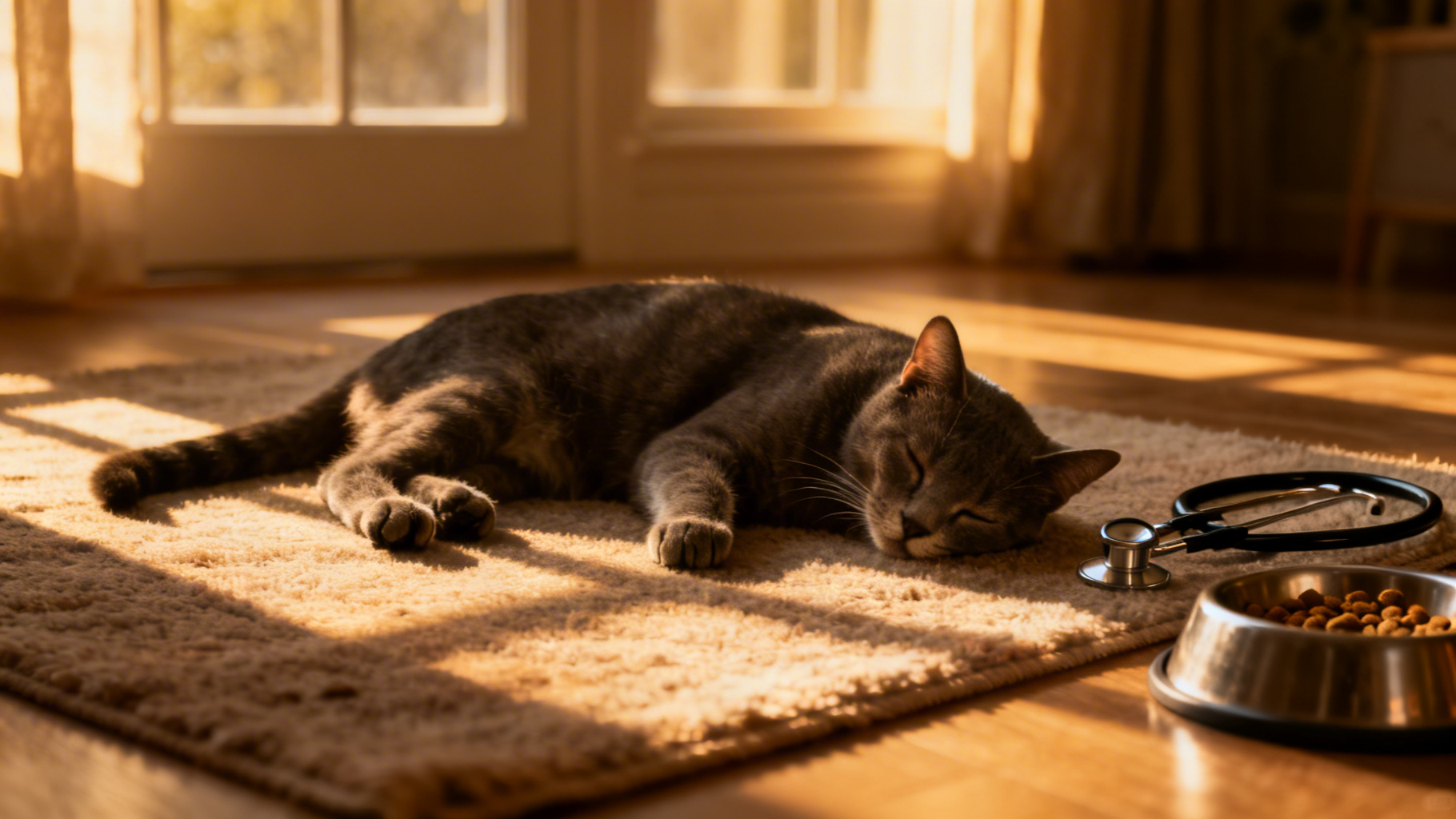
Cats are masters at hiding illness. In the wild, showing weakness makes them vulnerable to predators — so even domesticated cats instinctively conceal signs of pain or sickness. By the time a cat’s illness is obvious, it’s often advanced. Learning to recognize subtle warning signs can mean the difference between early intervention and a veterinary emergency.
This guide covers the ten most important warning signs that your indoor cat may be sick, what each symptom might indicate, and when to call your vet.
1. Changes in Appetite or Eating Behavior
Cats are creatures of habit, especially around food. Any significant change in how much or how often your cat eats warrants attention.
What to Watch For
- Not eating: If your cat skips more than one or two meals, this is a red flag. Cats who go more than 24–48 hours without eating are at risk for hepatic lipidosis (fatty liver disease), a serious condition.
- Eating much more than usual: Sudden increased appetite can indicate hyperthyroidism, diabetes, or intestinal parasites.
- Eating but losing weight: This combination is especially concerning and often points to metabolic disease or cancer.
- Difficulty chewing or dropping food: May indicate dental disease, mouth pain, or oral tumors.
What It Might Mean
Loss of appetite can be caused by stress, nausea, dental pain, kidney disease, infections, or gastrointestinal problems. Increased appetite paired with weight loss is a classic sign of hyperthyroidism or diabetes. Any sustained change in eating behavior should be evaluated by your vet.
When to Call Your Vet
- Your cat hasn’t eaten in 24 hours (or 12 hours for kittens)
- Sudden, dramatic increase in appetite
- Weight loss despite eating normally
- Signs of mouth pain (pawing at face, drooling)
2. Litter Box Changes
Your cat’s litter box habits are one of the most reliable health indicators you have. Changes in urination or defecation often signal medical problems — not behavioral issues.
What to Watch For
- Urinating outside the litter box: Especially if this is new behavior and your cat was previously reliable.
- Straining to urinate or producing little to no urine: This is a medical emergency, especially in male cats. Urinary blockage can be fatal within 24–48 hours.
- Blood in urine: May appear as pink-tinged litter or small red spots.
- Increased urination or very large clumps: Can indicate diabetes or kidney disease.
- Diarrhea or very hard, dry stools: Both can signal digestive issues or underlying disease.
- Straining to defecate or crying in the litter box: May indicate constipation, which can become serious.
What It Might Mean
Litter box changes are often the first sign of urinary tract disease, bladder stones, kidney disease, diabetes, or gastrointestinal problems. In male cats, straining with little to no urine output suggests urethral blockage — a life-threatening emergency.
Before assuming a litter box problem is behavioral, rule out medical causes. Even if your cat is also stressed or anxious, underlying illness may be contributing.
When to Call Your Vet
- Immediately: Straining to urinate with little or no urine output (especially males), blood in urine, or signs of pain
- Within 24 hours: Sudden litter box avoidance, increased urination, diarrhea lasting more than a day, or constipation
For help maintaining a healthy litter box setup that makes it easier to monitor changes, see our Litter Box Setup Guide.
3. Increased Hiding or Withdrawal
Cats naturally seek quiet spots to rest, but a sudden increase in hiding — especially if your cat is avoiding interaction they used to enjoy — often signals illness or pain.
What to Watch For
- Hiding in unusual places (closets, under furniture, behind appliances)
- Spending significantly more time alone than usual
- Avoiding interaction with people or other pets
- Reluctance to be touched or picked up
What It Might Mean
Hiding is a natural pain response. Cats in pain or discomfort instinctively withdraw to somewhere they feel safe. Illness, injury, dental pain, arthritis, or stress can all trigger increased hiding.
When to Call Your Vet
- Hiding paired with other symptoms (not eating, litter box changes, lethargy)
- Sudden change in social behavior lasting more than a day or two
- Visible signs of pain (hunched posture, reluctance to move, vocalizing when touched)
4. Changes in Grooming Habits
Cats are meticulous groomers. Changes in grooming — either too much or too little — can indicate physical or emotional distress.
What to Watch For
- Over-grooming: Bald patches, thinning fur, or skin irritation from excessive licking
- Under-grooming: Greasy, matted, or unkempt coat; dandruff; visible dirt
- Grooming one area obsessively: May indicate pain, irritation, or skin problems in that spot
What It Might Mean
Over-grooming can be caused by allergies, parasites (fleas, mites), skin infections, pain, or stress and anxiety. Under-grooming often signals that your cat doesn’t feel well — arthritis, dental pain, obesity, or illness can make grooming difficult or unpleasant.
When to Call Your Vet
- Bald patches or open sores from over-grooming
- Sudden decline in coat condition
- Signs of skin irritation, redness, or parasites
- Obsessive grooming of one area
5. Unexplained Weight Loss or Gain
Weight changes can be subtle and gradual, making them easy to miss — but they’re often the first sign of serious illness.
What to Watch For
- Ribs, spine, or hip bones becoming more prominent
- Loss of muscle mass, especially along the back and hindquarters
- Gradual thickening around the abdomen or neck
- Clothes or collars fitting differently
Weigh your cat monthly at home using a baby scale or by weighing yourself holding the cat, then subtracting your weight. Even a 1–2 pound change is significant in a 10-pound cat.
What It Might Mean
Weight loss despite normal or increased appetite is a red flag for hyperthyroidism, diabetes, cancer, or intestinal disease. Weight gain typically results from overfeeding or reduced activity, but can also signal hormonal imbalances.
When to Call Your Vet
- Any unexplained weight loss (more than 5% of body weight)
- Weight loss paired with increased appetite or thirst
- Rapid weight gain
For guidance on maintaining a healthy weight, see our Indoor Cat Wellness Guide.
6. Lethargy or Decreased Activity
Cats sleep a lot — 12 to 16 hours a day is normal. But if your cat is sleeping more than usual, moving less, or showing little interest in play or interaction, this can signal illness.
What to Watch For
- Sleeping significantly more than usual
- Not greeting you at the door or responding to usual cues
- Reluctance to jump, climb, or play
- Moving slowly or stiffly
What It Might Mean
Lethargy is a nonspecific symptom — it can accompany almost any illness. Infections, anemia, heart disease, kidney disease, arthritis, and pain all cause reduced activity. In older cats, lethargy may be mistaken for “just getting old,” but it’s often treatable arthritis or other illness.
When to Call Your Vet
- Sudden, dramatic decrease in activity
- Lethargy paired with other symptoms (not eating, hiding, vomiting)
- Reluctance to move or signs of pain when moving
7. Increased Thirst or Urination
If you’re suddenly refilling the water bowl more often or scooping much larger urine clumps from the litter box, your cat may be drinking and urinating more than normal — a sign of several serious conditions.
What to Watch For
- Water bowl emptying much faster than usual
- Very large or frequent urine clumps in the litter box
- Your cat drinking from unusual sources (faucets, toilets, houseplant water)
What It Might Mean
Increased thirst and urination (polydipsia and polyuria) are classic signs of diabetes, kidney disease, and hyperthyroidism. These are all common in middle-aged and senior cats and require diagnosis and management.
When to Call Your Vet
- Noticeable increase in drinking or urination lasting more than a few days
- Paired with weight loss, increased appetite, or lethargy
For tips on encouraging healthy hydration, see our Cat Hydration Guide.
8. Vomiting
Occasional hairballs are normal for cats, but frequent vomiting — especially if it contains food, bile, or blood — is not.
What to Watch For
- Vomiting more than once or twice a month
- Vomiting undigested food shortly after eating
- Vomiting bile (yellow or clear liquid)
- Blood in vomit (red or coffee-ground appearance)
- Vomiting paired with lethargy, diarrhea, or not eating
What It Might Mean
Vomiting can result from dietary indiscretion, food allergies, inflammatory bowel disease, pancreatitis, kidney disease, hyperthyroidism, or ingestion of toxins or foreign objects. Persistent vomiting is never normal and should be investigated.
When to Call Your Vet
- Vomiting multiple times in 24 hours
- Blood in vomit
- Vomiting paired with not eating, lethargy, or diarrhea
- Projectile vomiting or vomiting immediately after eating every time
9. Respiratory Changes
Cats should breathe quietly and effortlessly. Any change in breathing pattern or respiratory sounds requires prompt attention.
What to Watch For
- Rapid breathing (more than 30–40 breaths per minute at rest)
- Labored or heavy breathing
- Open-mouth breathing (unless immediately after hard play and quickly resolving)
- Wheezing, coughing, or sneezing
- Nasal discharge
What It Might Mean
Respiratory changes can indicate asthma, heart disease, pneumonia, upper respiratory infections, or airway obstruction. Open-mouth breathing and labored breathing are especially concerning and can signal a medical emergency.
When to Call Your Vet
- Immediately: Labored breathing, open-mouth breathing, blue-tinged gums or tongue
- Within 24 hours: Persistent coughing, wheezing, or nasal discharge
10. Behavioral Changes
Sudden, unexplained changes in behavior — aggression, anxiety, confusion, or vocalization — can signal pain, illness, or cognitive decline.
What to Watch For
- Aggression toward people or other pets (especially if this is new)
- Excessive, persistent vocalization (especially at night)
- Disorientation or confusion
- Pacing, restlessness, or inability to settle
- Personality changes (e.g., a friendly cat becoming withdrawn)
What It Might Mean
Pain, hyperthyroidism, high blood pressure, cognitive dysfunction (similar to dementia), and neurological problems can all cause behavioral changes. In senior cats, nighttime vocalization and disorientation are often signs of cognitive decline, but treatable conditions like hyperthyroidism should be ruled out first.
When to Call Your Vet
- Sudden aggression, especially if paired with other symptoms
- Excessive vocalization lasting more than a day or two
- Disorientation or confusion
- Dramatic personality change
When in Doubt, Call Your Vet
Trust your instincts. You know your cat better than anyone. If something feels off — even if you can’t pinpoint exactly what — it’s worth a call to your vet. Most veterinary clinics are happy to provide phone guidance about whether a symptom warrants an immediate visit or can wait for a scheduled appointment.
Don’t wait for multiple symptoms to appear or for symptoms to worsen. Early intervention is almost always easier, less expensive, and more successful than waiting until a condition is advanced.
Preventive Care Is the Best Medicine
Many serious illnesses can be caught early — or even prevented — through regular veterinary wellness exams and bloodwork. For adult cats, annual exams are the standard. For senior cats (age 7+), twice-yearly exams and regular bloodwork help catch age-related diseases like kidney disease, hyperthyroidism, and diabetes early.
Between vet visits, stay observant. Track your cat’s eating, drinking, litter box habits, weight, and behavior. Small changes are easier to spot when you’re paying attention.
For a complete guide to keeping your indoor cat healthy, see our Indoor Cat Wellness Guide. And if you’re bringing home a new cat, our First Week With Your New Indoor Cat checklist covers what to watch for during those critical early days.