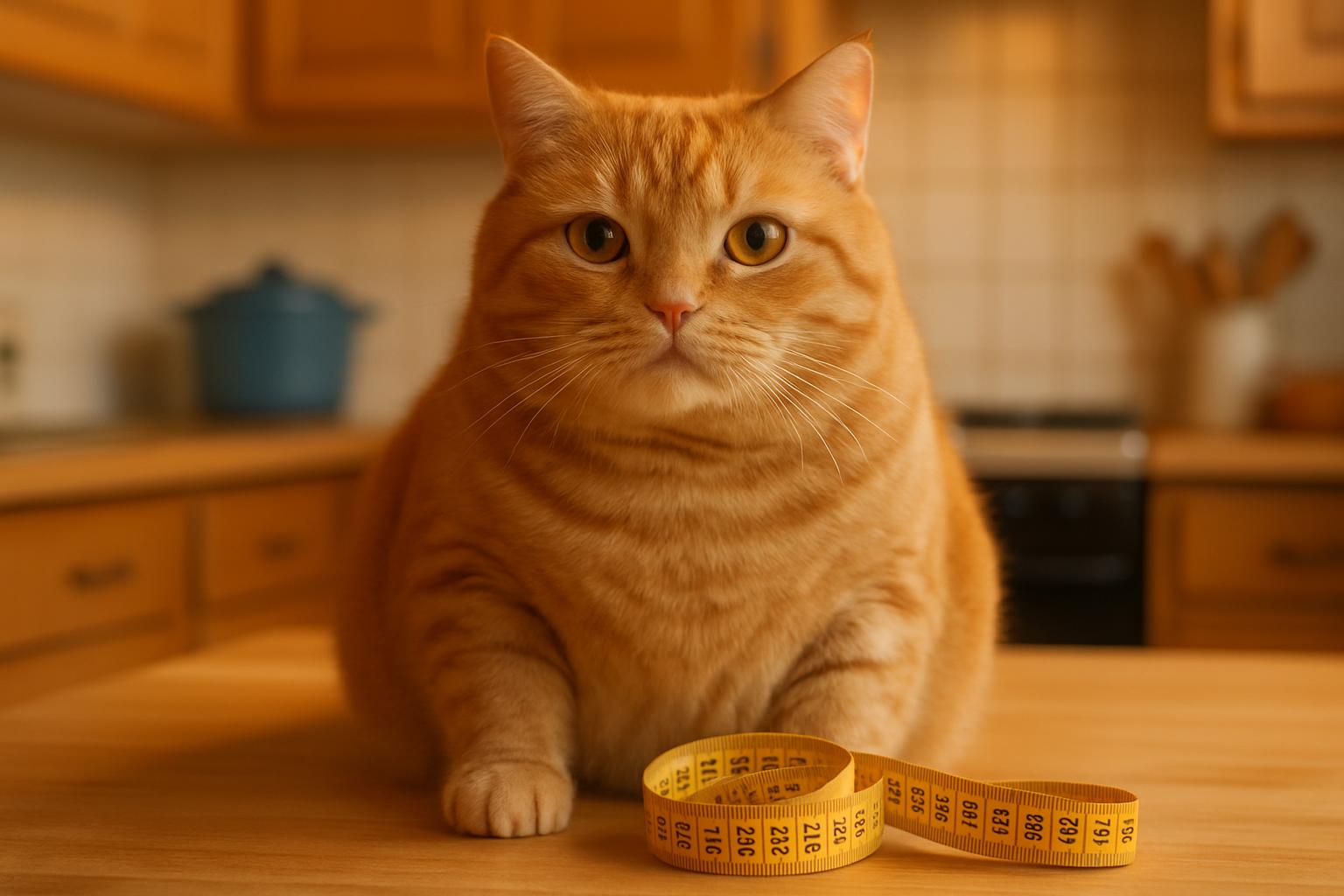
Obesity is the most common nutritional disorder in indoor cats, affecting an estimated 60% of house cats. Without the natural exercise of outdoor life — hunting, climbing, patrolling territory — indoor cats are especially prone to weight gain. The good news? With the right approach, it’s entirely preventable and manageable. Always consult your veterinarian before starting any weight loss program for your cat.
Why Indoor Cats Gain Weight
The math is simple but the solution isn’t: indoor cats burn fewer calories than outdoor cats but often eat the same amount. Several factors compound this:
- Reduced activity: Without prey to chase or territory to patrol, indoor cats may sleep 16-20 hours daily
- Free-feeding: Leaving food out all day encourages grazing and overconsumption
- Boredom eating: Just like humans, cats eat when bored — especially if food is the most interesting thing available
- High-calorie treats: Treats often contain more calories per gram than regular food
- Spaying/neutering: Altered cats have lower metabolic rates (but the health benefits far outweigh this)
Is Your Cat Overweight? How to Tell
Your vet can give a definitive body condition score, but here’s a quick home check:
- Rib test: You should be able to feel your cat’s ribs with light pressure — like the back of your hand. If you need to press hard, they’re overweight.
- Waist view: Looking from above, you should see a slight narrowing behind the ribs (a waist). No waist = overweight.
- Side profile: The belly should tuck up slightly, not hang down or be round.
- Ideal weight: Most domestic cats should weigh 8-11 lbs. Maine Coons and other large breeds may be 15-20 lbs normally.
Portion Control: The Foundation of Weight Management
The single most impactful change is measuring food portions. Most cat owners significantly overestimate how much food their cat needs.
How to Calculate Portions
- Ask your vet for your cat’s ideal weight
- An average indoor cat needs roughly 20 calories per pound of ideal body weight per day
- A 10-lb cat needs approximately 200 calories/day (less for weight loss, more for kittens)
- Check your food’s calorie content per cup/can (it’s on the label or manufacturer’s website)
- Measure with a kitchen scale or measuring cup — eyeballing leads to overfeeding
Switch from free-feeding to scheduled meals — two or three measured portions per day. This alone can prevent weight gain in most cats.
Exercise Through Play
Increasing your cat’s activity level burns calories and combats the boredom that leads to overeating. Indoor cats need intentional exercise since they won’t get it naturally.
- Interactive play sessions: Two 15-minute sessions daily with a wand toy (Da Bird, Cat Dancer) — mimic prey movements along the floor and in the air
- Vertical exercise: Cat trees and wall shelves encourage climbing, one of the best full-body workouts for cats
- Food puzzles: Puzzle feeders make your cat work for their food, burning calories and providing mental stimulation simultaneously
- Laser pointers: Great for cardio bursts, but always end with a physical toy your cat can “catch” — frustration from never catching prey can cause stress
- Solo play: Rotate toys to maintain novelty. Crinkle balls, springs, and battery-operated toys provide exercise when you’re away
For a complete activity plan, see our daily enrichment routine for working cat owners.
Choosing the Right Food
Weight Management Formulas
Most major brands offer “indoor” or “weight management” formulas with fewer calories and more fiber. These can help, but portion control still matters — a cat can gain weight on diet food if portions are too large.
Wet Food Advantage
Wet food is generally better for weight management because it’s lower in calorie density (more water content means more volume for fewer calories). A cat eating wet food tends to feel fuller on fewer calories than one eating the same weight of dry food.
Treat Strategy
Treats should be less than 10% of daily calories. A single Temptations treat is about 2 calories — but 15 treats per day adds 30 calories, which is 15% of a weight-management diet. Consider using small pieces of plain cooked chicken or their regular kibble as treats instead.
Multi-Cat Feeding Challenges
Managing weight in a multi-cat home is harder because cats steal each other’s food. Solutions:
- Microchip feeders: The SureFeed Microchip Feeder only opens for the assigned cat — the best solution for homes where one cat needs diet food
- Separate feeding rooms: Feed cats in different rooms with doors closed for 20-30 minutes
- Supervised meals: Be present during feeding and remove uneaten food after 20 minutes
See our feeding station setup guide for more multi-cat strategies.
When to See the Vet
Consult your veterinarian if:
- Your cat has gained or lost weight suddenly without dietary changes (could indicate thyroid issues, diabetes, or other illness)
- You’re unsure of your cat’s ideal weight
- Your cat needs to lose more than 1-2 lbs
- Weight loss efforts aren’t working after 2-3 months
Never put a cat on a crash diet. Rapid weight loss in cats can cause hepatic lipidosis (fatty liver disease), a life-threatening condition. Aim for 1-2% body weight loss per week maximum.
The Bottom Line
Weight management for indoor cats comes down to three things: measured portions, regular exercise, and environmental enrichment. It’s not about deprivation — it’s about giving your cat the active, stimulating life they were designed for. For more on keeping your indoor cat healthy, visit our Indoor Cat Wellness Guide and Indoor Cat Enrichment Guide.