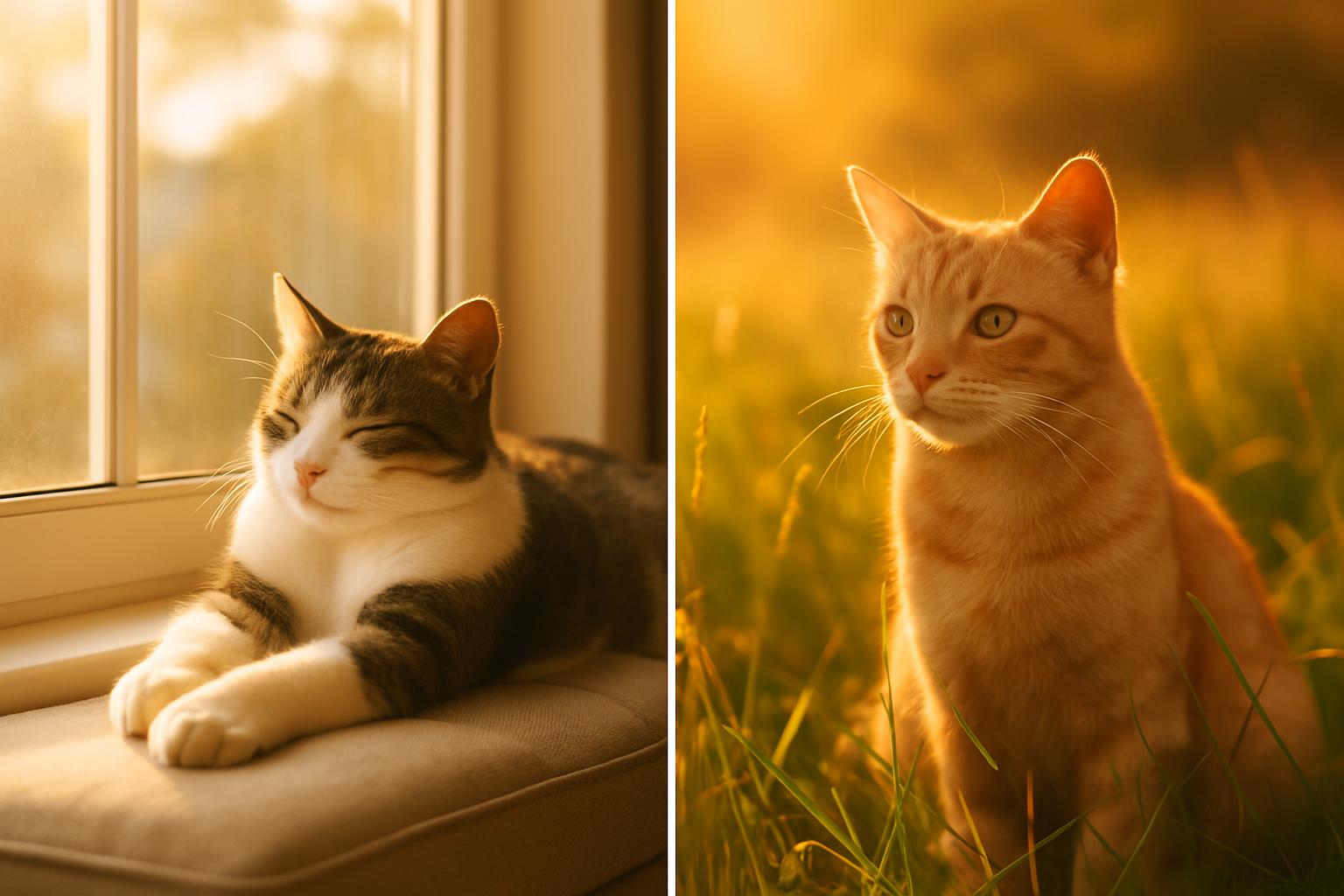
One of the most common debates among cat owners and animal welfare advocates is whether cats are better off indoors or outdoors. If you’re trying to decide what’s right for your cat — or you’re considering transitioning an outdoor cat to indoor life — this guide breaks down the real facts, dispels some myths, and helps you give your cat the best possible life no matter where they live.
The Safety Statistics: What the Data Actually Shows
The numbers on this topic are pretty clear. According to the American Veterinary Medical Association and multiple wildlife and feline welfare organizations, indoor cats live significantly longer and healthier lives on average than their outdoor counterparts.
- Indoor cats have an average lifespan of 12–18 years, with many living into their late teens or even early twenties.
- Outdoor cats have an average lifespan of just 2–5 years, largely due to exposure to cars, predators, disease, and other hazards.
Outdoor cats face risks that are easy to underestimate: traffic is the leading cause of death, followed by attacks from dogs, coyotes, and other cats. Disease transmission — including feline leukemia virus and FIV — is far more common in cats that go outside. Ingesting toxins (antifreeze, pesticides, toxic plants) is another serious concern.
None of this means outdoor cats can’t live long lives. Some do. But statistically, keeping a cat indoors dramatically reduces their risk exposure.
Lifespan Differences: Why Indoor Cats Live Longer
Beyond the obvious dangers, indoor cats benefit from consistent access to quality food, fresh water, and veterinary care. They’re not competing with other cats for territory, they’re not exposed to parasites like fleas and ticks at the same rate, and they’re not dealing with the physiological stress of outdoor survival.
Outdoor cats also tend to sustain more injuries — from fights, falls, and encounters with wildlife — that accumulate over time and affect long-term health. Many of these injuries go unnoticed and untreated.
For a deep dive into how to support your indoor cat’s long-term health, our indoor cat wellness guide is a great starting point.
Enrichment Needs: The Indoor Cat’s Biggest Challenge
The main legitimate criticism of keeping cats indoors is that it can limit their natural behaviors if owners don’t provide enough stimulation. Cats are hunters by nature. They’re wired to stalk, pounce, climb, explore, and patrol their territory. An indoor cat that doesn’t get outlets for these instincts can become bored, anxious, or destructive.
The solution isn’t to let them outside — it’s to bring the outdoors in (metaphorically). This means:
- Daily interactive play sessions with wand toys that simulate prey
- Puzzle feeders and food-foraging opportunities
- Vertical space — cat trees, shelves, and window perches
- Bird feeders placed outside windows for “cat TV”
- Rotating toys to prevent boredom
- Secure outdoor enclosures (catios) if space allows
An enriched indoor cat is a happy indoor cat. Our indoor cat enrichment guide covers all of these strategies in detail and gives you a step-by-step enrichment plan you can actually implement.
Common Myths About Indoor and Outdoor Cats
Myth 1: “Cats need to go outside to be happy.”
Not true. Cats need stimulation, security, and social connection — all of which can be provided indoors. Many indoor-only cats are thriving, content animals. Cats that have always been kept indoors typically don’t miss or crave outdoor access.
Myth 2: “It’s cruel to keep a cat inside.”
This one’s particularly persistent. But consider: wild survival isn’t the same as a good quality of life. A cat living indoors with regular play, a loving owner, good nutrition, and proper veterinary care is living far better than a cat struggling to survive outside. Keeping cats indoors is increasingly considered the responsible standard of care.
Myth 3: “Outdoor cats are more physically fit.”
Outdoor cats do get more unstructured movement, but they also skip meals, get injured, and experience chronic stress. An indoor cat with regular structured play can be extremely fit and healthy. The key is intentional exercise, not unstructured roaming.
Myth 4: “Once a cat goes outside, you can’t keep them in.”
This is the most important myth to bust, because it holds a lot of owners back from transitioning their cats. The truth: most cats can successfully transition to indoor-only life with patience and the right approach.
Transition Tips: Bringing an Outdoor Cat Indoors
If you have an outdoor cat — or a cat that’s been allowed outside — and you want to transition them to indoor life, here’s how to do it without causing unnecessary stress:
Step 1: Go Gradually
Don’t go cold turkey overnight. Start by limiting outdoor time — shorter trips, then supervised-only outings, then no outings at all. This gives your cat time to adjust without feeling suddenly deprived.
Step 2: Ramp Up Enrichment Simultaneously
As you reduce outdoor access, increase indoor stimulation. Introduce new toys, add vertical space, set up a catio or window feeder, and commit to daily play sessions. The goal is to make the indoor environment more appealing, not just restrict the outdoor one.
Step 3: Watch for Signs of Frustration
Some cats will vocalize more, pace near doors, or show increased scratching behavior during the transition. These are signs they need more enrichment, not that the transition won’t work. If you notice your cat seems persistently stressed, our guide on signs your indoor cat is bored can help you identify and address the root cause.
Step 4: Be Patient
Most cats adapt to indoor life within a few weeks to a few months. Younger cats tend to adjust more quickly. Senior cats may take longer, but they can still make the transition successfully.
Making Indoor Life Fulfilling: Long-Term Strategies
Whether your cat has always been indoor-only or just transitioned, here are the long-term habits that make the biggest difference:
Invest in the Right Furniture
Cats need places to climb, scratch, hide, and perch. A good cat tree that places your cat at window height is one of the best investments you can make. Check out our guide to cat furniture and vertical space for specific recommendations.
Play Every Day
This can’t be overstated. Ten to twenty minutes of wand toy play each day dramatically reduces behavioral problems and keeps your cat physically and mentally healthy. Think of it as your cat’s daily workout and mental enrichment rolled into one.
Consider a Companion
Some cats do better with a feline friend. If your schedule keeps you away from home for long stretches, a second cat can provide social stimulation and reduce boredom. That said, some cats prefer to be the sole ruler of their domain — know your cat before adding another.
Create a View
Window access to the outside world — birds, squirrels, passing people — gives indoor cats a form of “nature TV” that satisfies their curiosity and predatory instincts without any of the risks. Even a simple bird feeder placed just outside a window can transform your cat’s day.
The Bottom Line
Indoor cats live longer, healthier lives. But a long life in a boring environment isn’t the goal — a long, rich, stimulating life is. The good news is that with some intentional effort, you absolutely can give your indoor cat a fulfilling, joyful existence.
The debate isn’t really “indoors vs. outdoors.” It’s about what kind of indoor environment you’re providing. Make it a good one, and your cat will thrive.
Always consult your vet if you’re concerned about your cat’s mental or physical wellbeing during a lifestyle transition.