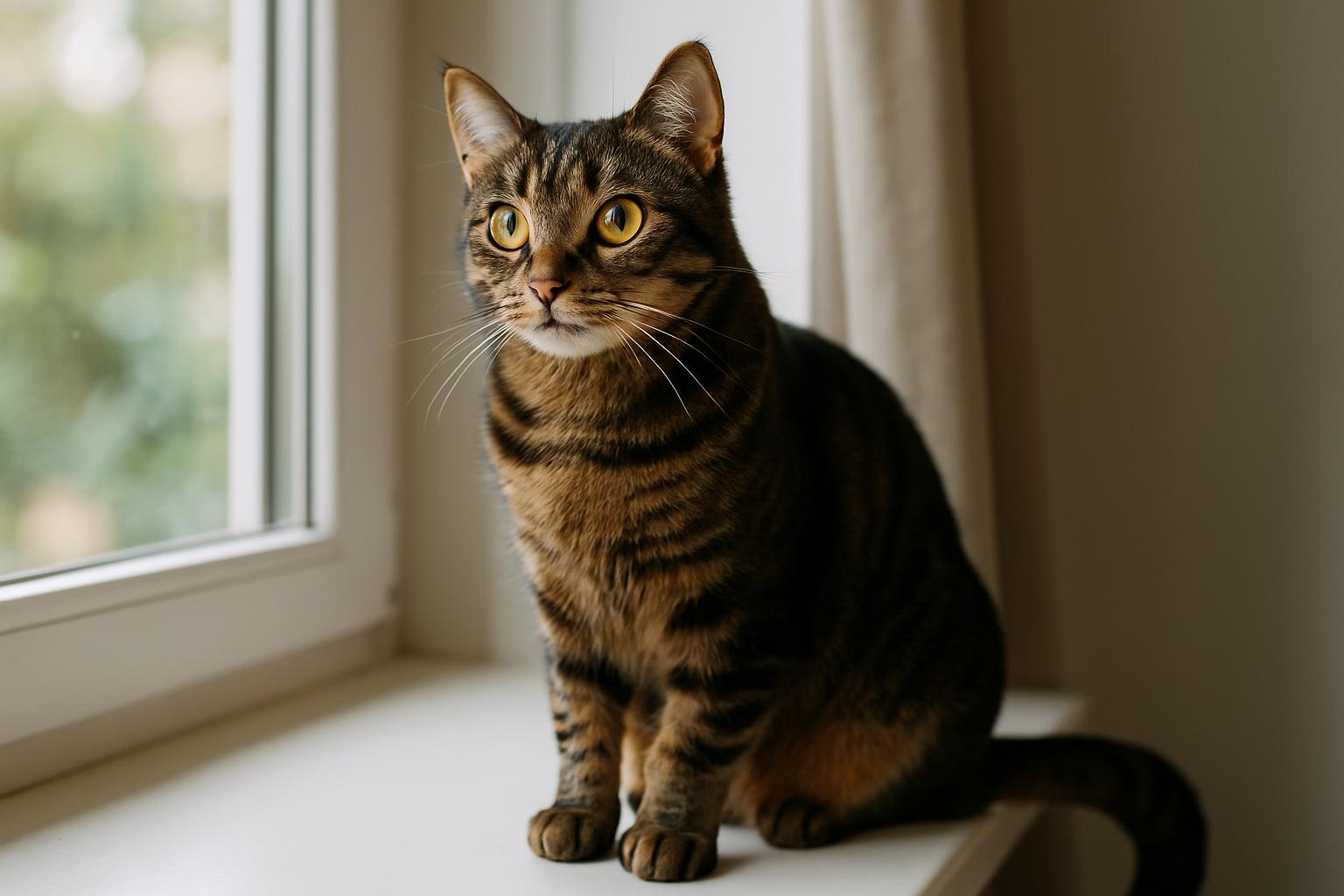
Cats are masters of hiding discomfort. Unlike dogs, who tend to be obvious about pain or illness, cats instinctively mask vulnerability — it’s a survival trait hardwired from their wild ancestors. That means keeping a close eye on your indoor cat’s baseline health behaviors is one of the most important things you can do as an owner. When you know what “normal” looks like for your cat, you’ll notice much faster when something is off.
Here are 10 signs your indoor cat is healthy, along with what to watch for if things shift.
Disclaimer: This guide is for informational purposes only. Always consult your veterinarian with any health concerns about your cat. Early intervention can make a significant difference in outcomes.
1. Healthy Weight
A healthy cat at an ideal weight has a visible waist when viewed from above and ribs you can feel but not see. Run your hands along your cat’s sides — you should be able to feel the ribs with gentle pressure, but they shouldn’t be protruding. If you can’t feel the ribs at all, your cat may be overweight. If the ribs are very prominent, underweight is a concern.
Your vet will assess your cat’s body condition score at each visit using a standardized scale, but you can do a basic check at home monthly. Weight fluctuations of more than half a pound are worth mentioning at your next vet appointment.
2. Shiny, Clean Coat
A healthy cat has a soft, shiny coat with no bald patches, mats, or excessive shedding beyond normal seasonal amounts. Cats are meticulous self-groomers, and a well-groomed coat is usually a sign of a cat that feels good.
Watch for:
- Dull, greasy, or unkempt fur — may signal illness, pain, or obesity preventing proper grooming
- Bald patches or excessive licking — could indicate allergies, skin condition, or stress-related over-grooming
- Mats — more common in long-haired cats, but also a sign of a cat that’s struggling to groom themselves
3. Bright, Clear Eyes
Healthy cat eyes are bright, clear, and alert. The pupils should be equal in size and adjust appropriately to light. The whites of the eyes (sclera) should be white, not yellow or red.
Warning signs include:
- Discharge (clear is less concerning than yellow or green)
- Cloudiness or film over the eye
- Third eyelid (the inner membrane) visible across part of the eye
- Pupils that are different sizes
- Squinting or pawing at the eye
4. Clean Ears With No Odor
Healthy cat ears are clean, light pink inside, and have no strong odor. A small amount of light-colored wax is normal. Dark brown discharge, a strong smell, or your cat shaking their head frequently or scratching at their ears can all signal ear mites or infection — both of which need veterinary treatment.
5. Consistent Energy Levels
Every cat has their own energy baseline — some are naturally more active, others prefer long lounging sessions interrupted by short bursts of play. What matters is that your cat’s energy level is consistent with their personal norm.
A sudden increase in lethargy — a normally playful cat sleeping all day and showing no interest in food or interaction — is worth a vet call. So is uncharacteristic hyperactivity in a normally calm cat, which can sometimes indicate thyroid issues in older cats.
Our signs your indoor cat is bored guide can help you distinguish between low energy that’s behavioral versus health-related.
6. Good Litter Box Habits
Your cat’s litter box is a health reporting station. Healthy cats urinate two to four times per day and defecate once per day, though there’s some normal variation. Stool should be formed but not hard, and free of blood or mucus.
Call your vet if you notice:
- No urination for 12+ hours (especially in male cats — this can be a life-threatening emergency)
- Straining to urinate or defecate
- Blood in urine or stool
- Diarrhea lasting more than 24 hours
- Going outside the litter box (may indicate a medical issue, not just a behavioral one)
A clean, properly set-up litter box encourages healthy habits. Our litter box setup guide has everything you need to get this right.
7. Healthy Appetite and Eating Habits
A healthy cat eats with enthusiasm at mealtimes and maintains a consistent weight. Cats shouldn’t miss more than two meals in a row without a good reason. Skipping meals can quickly lead to hepatic lipidosis (fatty liver disease) in cats, which is a serious condition that develops faster in cats than in most animals.
Also watch for changes in how your cat drinks. Excessive water intake combined with increased urination can be an early sign of diabetes, hyperthyroidism, or kidney disease — all manageable if caught early. Staying well hydrated is important; our cat hydration guide covers how to encourage healthy water intake.
8. Pink, Healthy Gums and Fresh Breath
Dental health is one of the most overlooked aspects of cat care. Healthy gums are pink and firm. Press your finger against the gum and release — the color should return within two seconds (capillary refill time). Pale, white, blue, or yellow gums are emergency warning signs.
Some level of cat breath odor is normal, but a strong, ammonia-like or very foul smell can indicate dental disease, kidney problems, or other health issues. By age three, most cats show some signs of dental disease — regular dental check-ups and at-home toothbrushing (if your cat allows) make a real difference.
9. Normal Breathing
A resting cat breathes 15–30 times per minute. Breathing should be quiet and effortless. Open-mouth breathing in cats (outside of a very hot environment or extreme stress) is not normal and should prompt an immediate vet call. Cats don’t pant the way dogs do — if your cat is panting, something is wrong.
10. Behavioral Baseline Consistency
You know your cat better than anyone. One of the most reliable health indicators is behavior — specifically, changes from your cat’s individual baseline. A social cat that suddenly hides, a cat that stops grooming, one that starts vocalizing more than usual, or a cat that loses interest in play can all be signaling an underlying health issue.
Keep a loose mental (or written) note of your cat’s normal behaviors so you can catch deviations quickly. Trust your gut — if something feels off, a vet call is always the right move.
For a comprehensive look at your cat’s overall wellness, our indoor cat wellness guide covers preventive care, nutrition, and what to track year-round.
When to Call Your Vet
When in doubt, call. Veterinary staff are used to fielding questions, and a quick phone call can help you determine whether you need to come in urgently or can wait for a scheduled appointment. Don’t second-guess yourself when it comes to your cat’s health.
Symptoms that always warrant same-day or emergency care:
- Difficulty breathing or open-mouth breathing
- No urination, especially in male cats
- Collapse or inability to stand
- Pale, white, blue, or yellow gums
- Severe vomiting or blood in vomit
- Suspected ingestion of toxins
- Trauma (fall from height, car accident, etc.)
Your vet is your partner in your cat’s health. Regular wellness visits, even when your cat seems fine, are the best way to catch problems early and keep your cat living their best life for years to come.