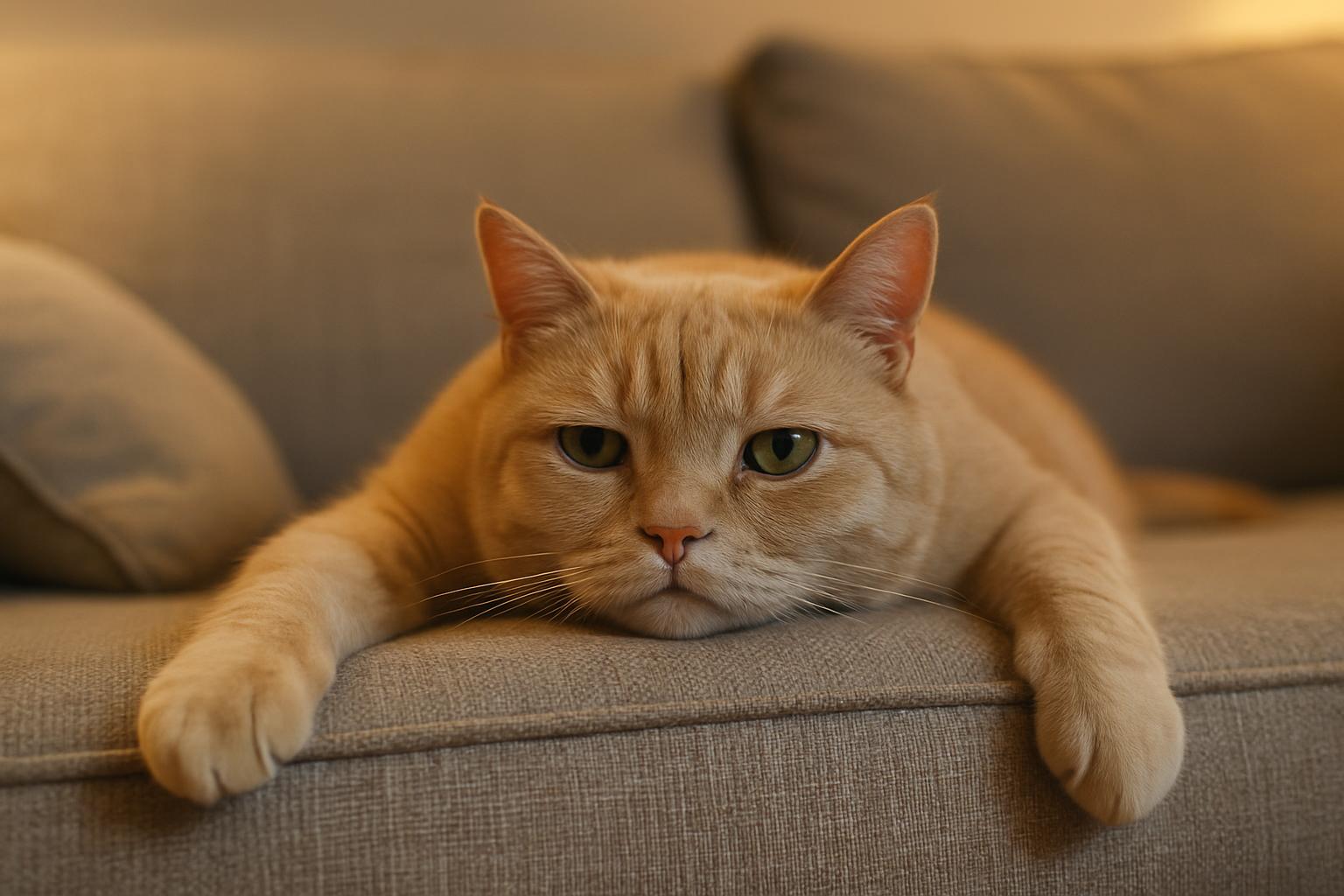
Cats are masters of hiding discomfort. Whether it’s pain, stress, or simple boredom, they often communicate in subtle ways that are easy to miss — especially if you’re not sure what to look for. Boredom in indoor cats isn’t just a minor inconvenience; over time, it can develop into serious behavioral and physical health problems.
The good news is that once you know what to look for, the signs are often unmistakable. Here’s a breakdown of the most common ways cats signal that they need more stimulation in their lives — and what you can do about each one.
Excessive Meowing and Vocalization
A little vocal communication is perfectly normal for cats, especially breeds like Siamese that are naturally chatty. But when a cat suddenly becomes much more vocal than usual — yowling in empty rooms, crying for attention at odd hours, or meowing persistently without an obvious reason — boredom is often the culprit.
This kind of vocalization is your cat telling you they’re understimulated and looking for engagement. It often peaks at night, when the house is quiet and there’s absolutely nothing going on.
What to do: Add an interactive play session before bedtime to help your cat wind down. Puzzle feeders placed around the house during the evening can also give them something to focus on. Check out these puzzle feeders to keep cats mentally busy during the hours when you’re less available.
Destructive Behavior
Scratching furniture, knocking things off shelves, chewing on cords, or getting into cabinets — destructive behavior is often less about mischief and more about a cat with nothing better to do. Cats have strong instinctual drives to scratch, explore, and manipulate objects. When appropriate outlets aren’t available, they improvise with whatever’s around.
A cat that’s suddenly more destructive than usual is often an understimulated cat. This is especially common when a cat’s routine changes — for example, when an owner goes back to the office after working from home.
What to do: Provide dedicated scratching surfaces in multiple locations, rotate toys regularly so nothing feels stale, and introduce more interactive play. A solid enrichment plan can dramatically reduce destructive behavior by giving cats appropriate ways to express their instincts.
Over-Grooming and Fur Loss
Cats groom themselves as part of their normal routine, but over-grooming — excessive licking, chewing, or pulling fur from the same spot repeatedly — is a red flag. It’s often a stress or anxiety response, and boredom is a major trigger. You might notice thinning fur on the belly, inner thighs, or front legs, or even small bald patches.
This behavior can be hard to catch because cats often do it when they’re alone. If you notice fur loss without obvious skin issues, over-grooming from boredom or stress is worth investigating.
What to do: Increasing daily stimulation — especially interactive play — is often the most effective intervention. Understanding why enrichment matters can help frame this as the health priority it truly is. If over-grooming is severe, consult your vet to rule out allergies or other medical causes.
Lethargy and Excessive Sleeping
Cats sleep a lot — that’s normal. Adults typically sleep 12–16 hours a day, and some sleep even more. But there’s a difference between a cat who sleeps because they’re naturally resting and one who sleeps because there’s simply nothing else to do.
A bored cat often displays a kind of low-energy, disengaged quality even when they’re awake. They may sit and stare blankly, show little interest in toys or play, or seem generally flat and unresponsive. This can progress into what looks a lot like depression — reduced social interaction, decreased appetite, and withdrawal.
What to do: Try introducing novelty: a new toy, a cardboard box, a window perch with a bird feeder outside. Sometimes something as simple as rearranging furniture gives a cat new territory to explore. Consistent daily play sessions — even short ones — make a big difference over time.
Overeating and Begging for Food
When cats are bored, they often redirect that restless energy toward food. If your cat seems constantly hungry, frequently visits the food bowl even after eating, or begs persistently, boredom may be the underlying issue rather than actual hunger.
This pattern can lead to weight gain, which carries its own set of health risks including diabetes, joint problems, and heart disease. Eating has become a coping mechanism and an activity — not just a meal.
What to do: Replace free-feeding with scheduled mealtimes to give structure. Use puzzle feeders or food-dispensing toys to make eating an activity rather than just a mindless habit. A structured daily routine helps regulate both eating habits and overall activity levels.
Subtle Signs That Are Easy to Miss
Not all boredom signs are dramatic. Some of the subtler indicators include:
- Tail lashing while resting: A slowly flicking tail when a cat isn’t interacting with anything can signal low-grade frustration or restlessness.
- Increased attention-seeking: Climbing on you while you work, pawing at your face, or sitting directly on whatever you’re using are ways cats demand engagement.
- Watching you intently without initiating play: Some cats will stare at you for extended periods, hoping you’ll get the hint.
- Increased interest in windows: A cat who can’t stop watching outdoor activity may be understimulated inside the home.
- Irritability: A normally easygoing cat who snaps during petting or swipes at you unpredictably may simply be overstimulated by boredom-induced frustration.
The Health Risks of Chronic Boredom
Left unaddressed, chronic boredom takes a real toll on a cat’s physical and mental health. Elevated stress hormones affect immune function, making cats more susceptible to illness. Behavioral problems tend to escalate over time rather than resolve on their own. Conditions like feline idiopathic cystitis — a painful urinary condition — are closely linked to stress and an impoverished environment.
For a comprehensive look at keeping indoor cats healthy and mentally well, the indoor cat wellness guide covers nutrition, veterinary care, and environmental needs together.
The Bottom Line
Your cat’s boredom isn’t a personality flaw or a sign that they’re “difficult.” It’s feedback. They’re telling you, in the best way they know how, that their environment isn’t meeting their needs. The fix isn’t complicated, but it does require intention: more play, more variety, more things to climb and explore and puzzle out.
Start with one or two changes and watch how your cat responds. Most cats show improvement surprisingly quickly once they have appropriate stimulation. The goal isn’t a perfect enrichment setup — it’s a cat who feels engaged, secure, and genuinely content in the home they share with you.
🐱 Free Indoor Cat Enrichment Checklist
Get our printable daily enrichment checklist — designed for busy cat owners who want to keep their indoor cats happy and healthy.
Coming soon — check back for the download link!